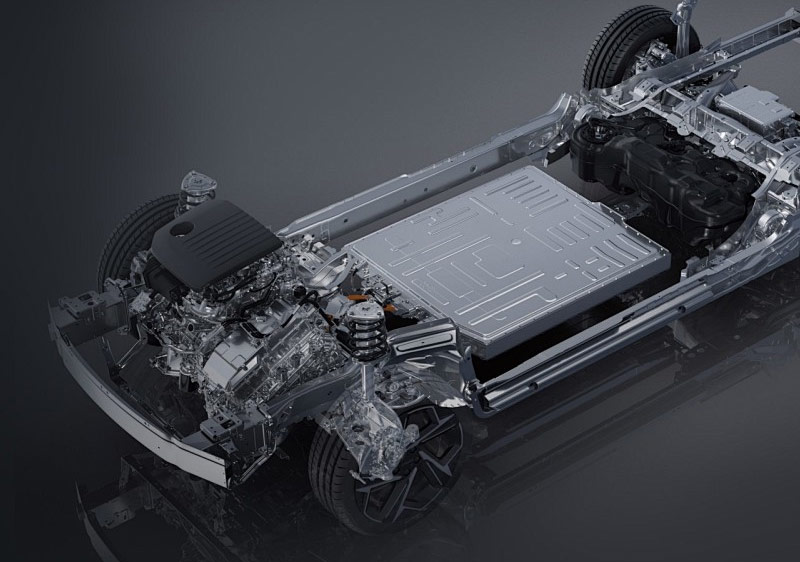
The battery testing landscape is shifting faster than ever. By 2026, stricter safety regulations, extreme fast-charging demands, and next-generation chemistries will force manufacturers to rethink validation. From EV giants to energy storage integrators, one fact is clear: reliable environmental tes...
Learn More
Running environmental tests longer than expected? Your test chamber cycle time isn't fixed — three hidden variables determine the length. Understand them now and cut cycle delays by up to 30%. Manufacturers and lab engineers often assume that every environmental test chamber follows a predictable, f...
Learn More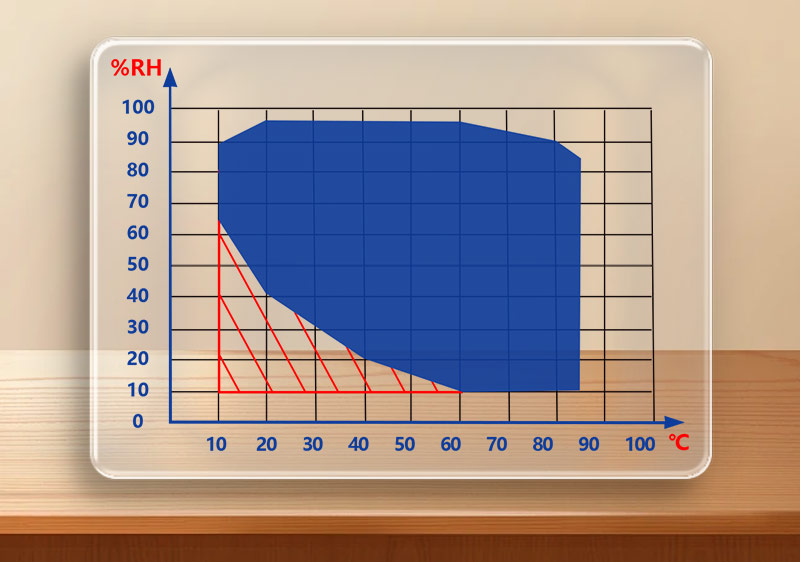
What happens when your test chamber’s temperature range falls just 5°C short of what your product really needs? Catastrophic field failures, re-certification nightmares, and lost customer trust. For engineers who push automotive electronics, EV batteries, or aerospace components to their limits, und...
Learn More
Let’s cut through the confusion: environmental chamber price tags vary wildly, and most suppliers hide costs behind “request a quote” walls. That’s why we built this real‑world environmental test chamber cost guide — so you can benchmark budgets before you buy. Whether you need a benchtop humidity c...
Learn More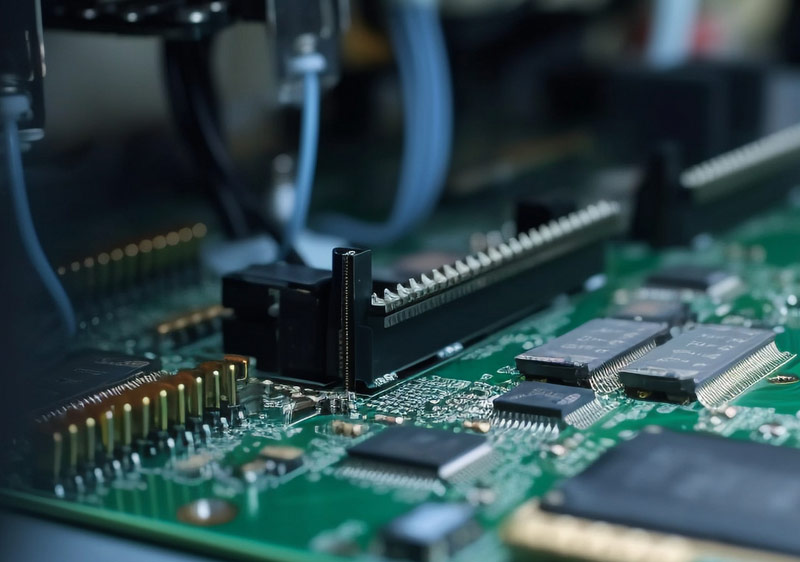
Humidity doesn’t forgive. In printed circuit boards, excess moisture triggers electrochemical migration, dendritic growth, and catastrophic corrosion — causing up to 30% of field failures in sensitive electronics. For automotive, medical, or industrial controls, a single PCB failure can escalate int...
Learn More
Did you know that over 25% of field-returned PCBs suffer from moisture-induced failures like corrosion, leakage, and delamination? A humidity chamber for PCB testing isn't optional — it's a strategic advantage. From automotive ECUs to aerospace avionics, modern electronics demand absolute reliabilit...
Learn More
Lithium-ion batteries power everything from EVs to portable electronics, yet they remain vulnerable to temperature extremes. A single thermal runaway event due to inadequate testing can trigger fires, explosions, and million-dollar recalls. That’s exactly why a professional high-low temp chamber for...
Learn More
What happens when an electric vehicle meets brutal -40°C winter conditions? Can it still fast-charge safely without risking battery damage or range collapse? At the 2026 Beijing International Auto Show, leading EV makers – including BYD and top battery suppliers – conducted live extreme cold tests i...
Learn More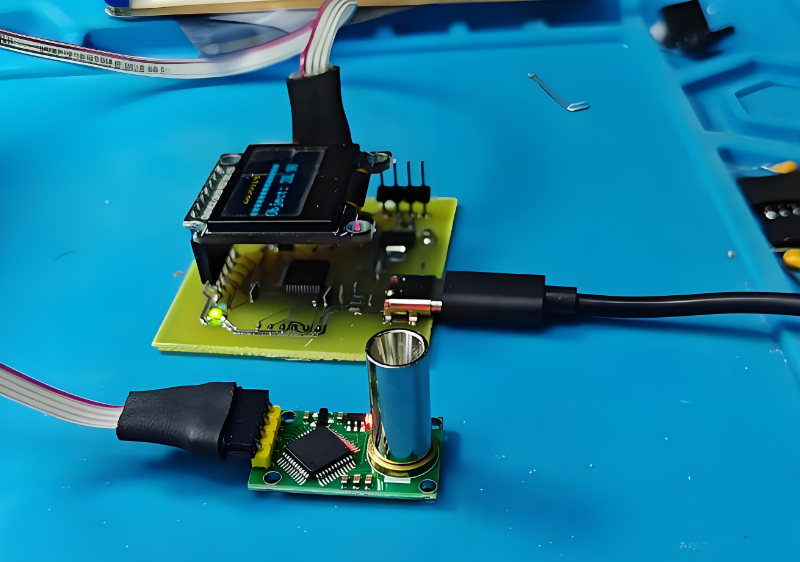
From automotive power chips to 5G processors, semiconductor reliability hinges on one critical variable: temperature. A 2°C deviation during validation can mask latent defects, triggering early-life failures in the field. The answer? Precise, repeatable semiconductor temperature testing. Leading man...
Learn More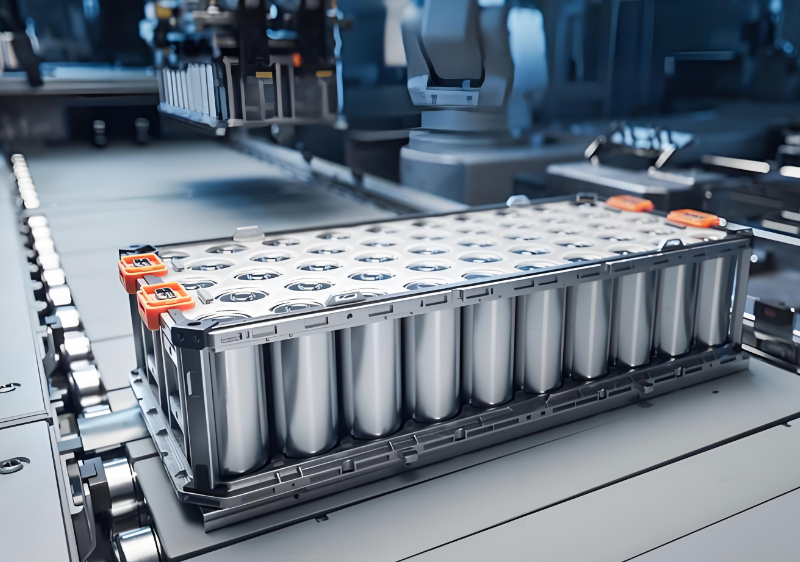
Electric vehicle adoption is accelerating faster than ever, yet EV battery reliability remains the single most critical factor separating market leaders from costly recalls. Automotive engineers and certification labs face immense pressure to meet rigorous EV battery reliability testing standards wh...
Learn More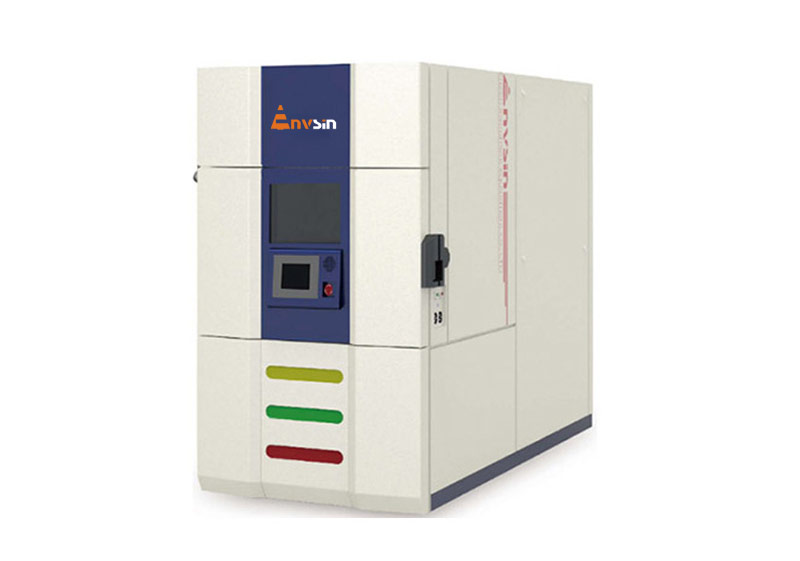
Thermal runaway remains the threat in lithium-ion battery development. Without rigorous validation, a single cell failure can lead to catastrophic fires, costing millions and endangering lives. That’s why choosing the right battery thermal runaway testing chamber is more than a purchase — it’s the f...
Learn More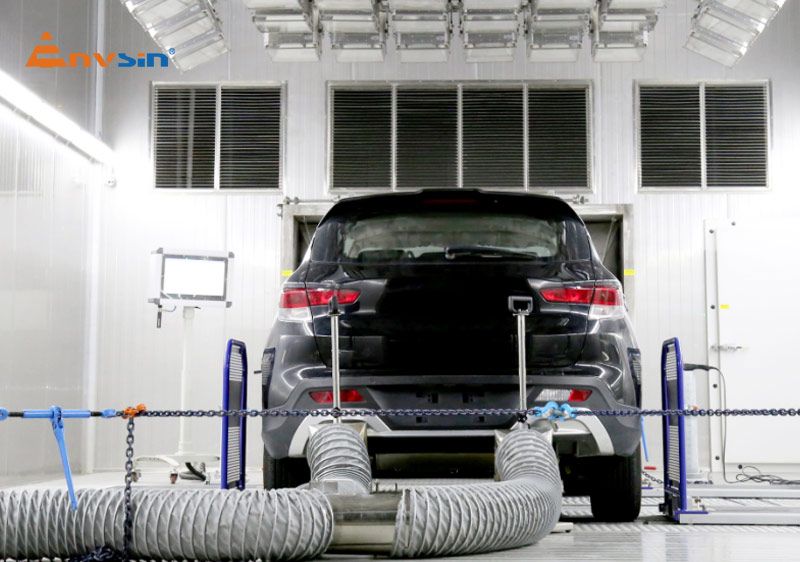
From freezing arctic nights to scorching desert heat — automotive electronics endure extreme punishment. Statistics show that over 50% of electronic control unit failures originate from environmental stress. That’s why automotive reliability testing isn't just a checkbox; it's the backbone of moder...
Learn More