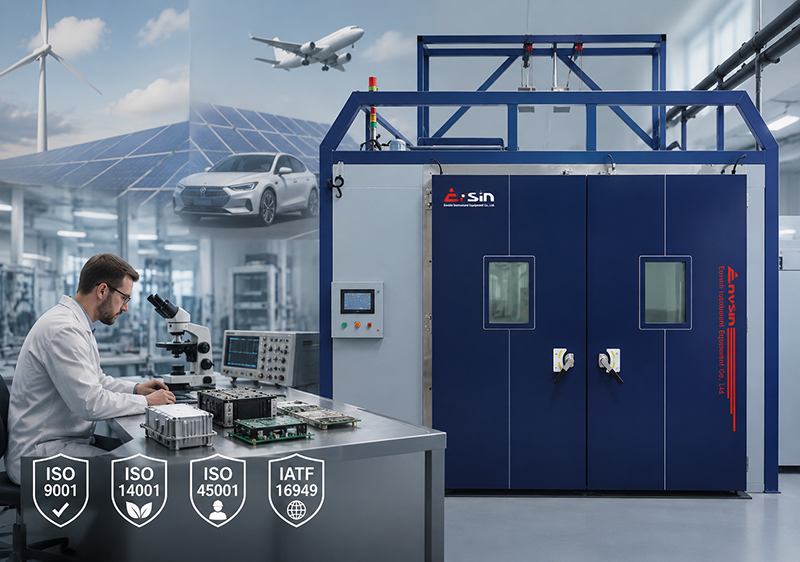
For manufacturers targeting global B2B markets, ISO certification is not just a badge—it’s a buyer’s prerequisite. Yet achieving repeatable, verifiable environmental reliability testing under ISO protocols can be complex. This is where environmental chambers become indispensable. They simulate extre...
Learn More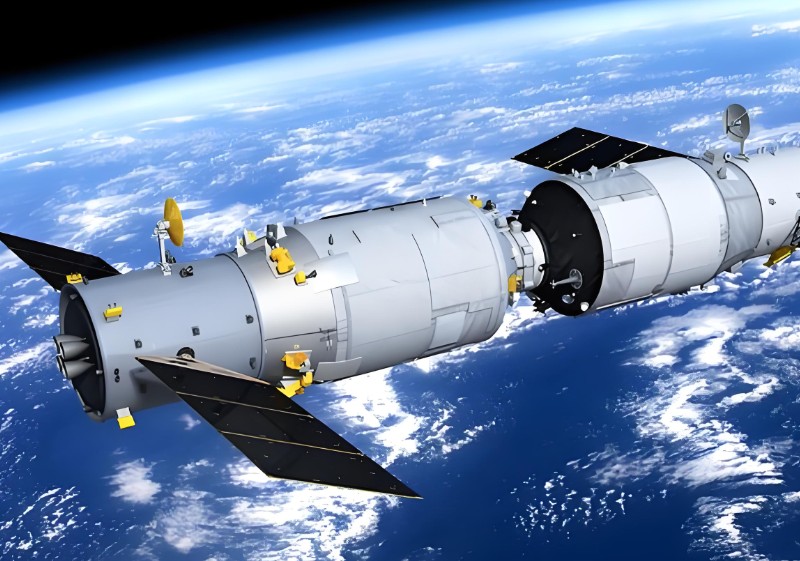
When an aircraft or spacecraft component faces the brutal reality of outer space, high-altitude jet streams, or rapid thermal transitions, even a minor defect can trigger catastrophic failure. Aerospace engineers cannot afford to rely on simulations alone — they need physical proof that every part s...
Learn More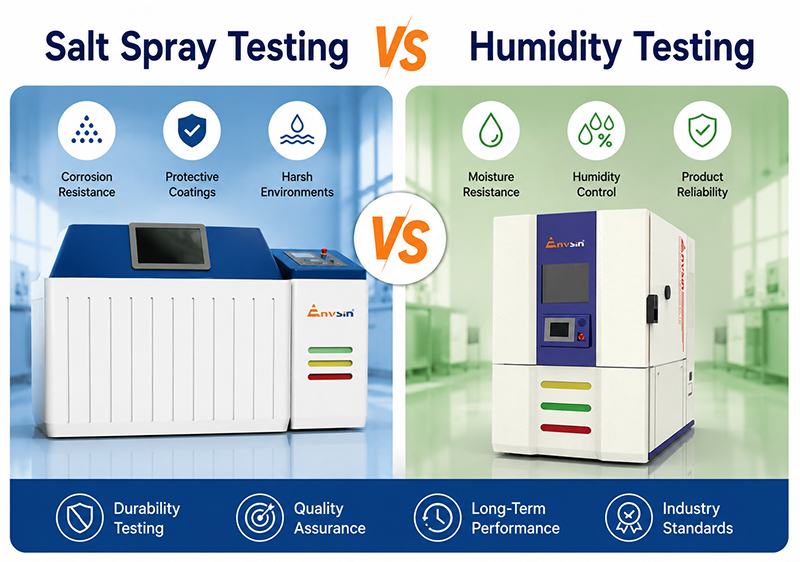
If you manufacture components for automotive, marine, or defense industries, one bad coating can cost millions in recalls. The real dilemma? Choosing between Salt Spray Testing and Humidity Testing — or knowing when to run both. Corrosion doesn’t wait, and neither should your validation process. At ...
Learn More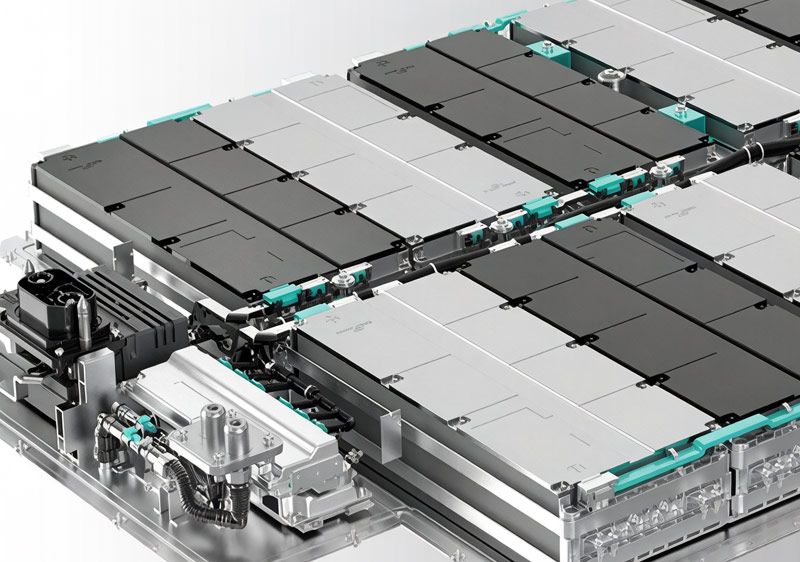
Thermal runaway remains the number one enemy of high-capacity battery packs used in electric trucks and grid storage. When a single cell overheats, the entire assembly can cascade into catastrophic failure within seconds. Yet standard benchtop chambers simply cannot fit a complete 800V battery syste...
Learn More
Drugmakers cannot afford to guess how a medication will behave six months or two years from now. That is why stability test chambers have become essential tools in pharmaceutical quality control. Without precise environmental simulation, a promising drug could degrade into a dangerous product before...
Learn More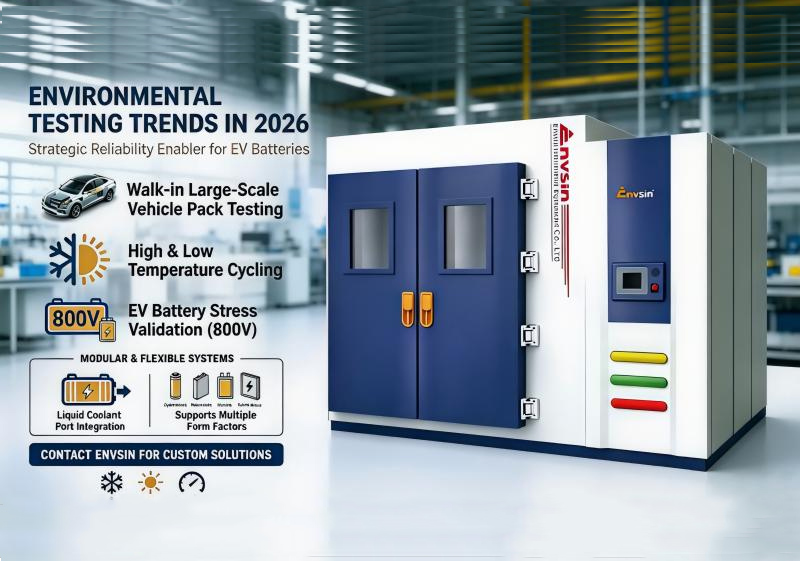
During a recent validation campaign for a 4680 cylindrical cell module, an engineering team observed accelerated capacity fade after only 120 thermal cycles between -40°C and +85°C. The failure root cause was traced to micro-cracks in the separator layer induced by non-uniform temperature ramp rate...
Learn More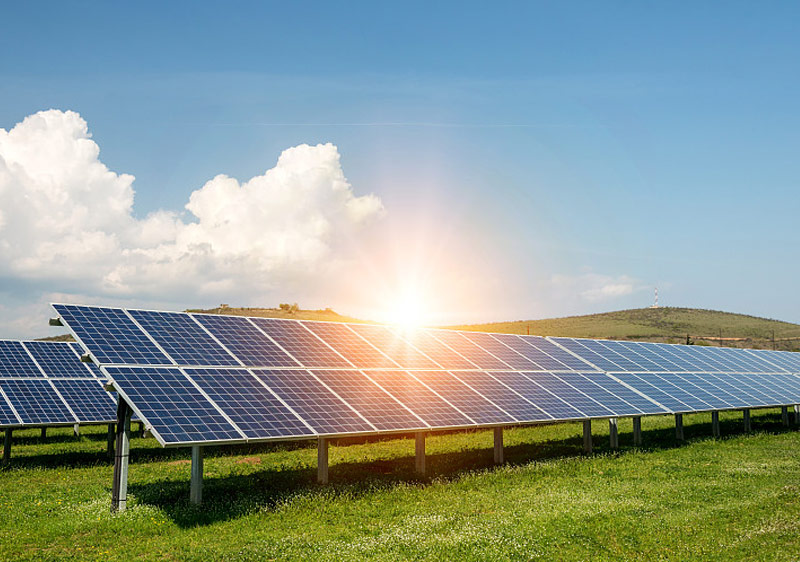
What if your high-efficiency solar panels start losing power after only three rainy seasons? Heat and humidity are the silent killers of photovoltaic modules, causing micro-cracks, junction box corrosion, and irreversible delamination. Without proper temperature and humidity testing, even top-tier p...
Learn More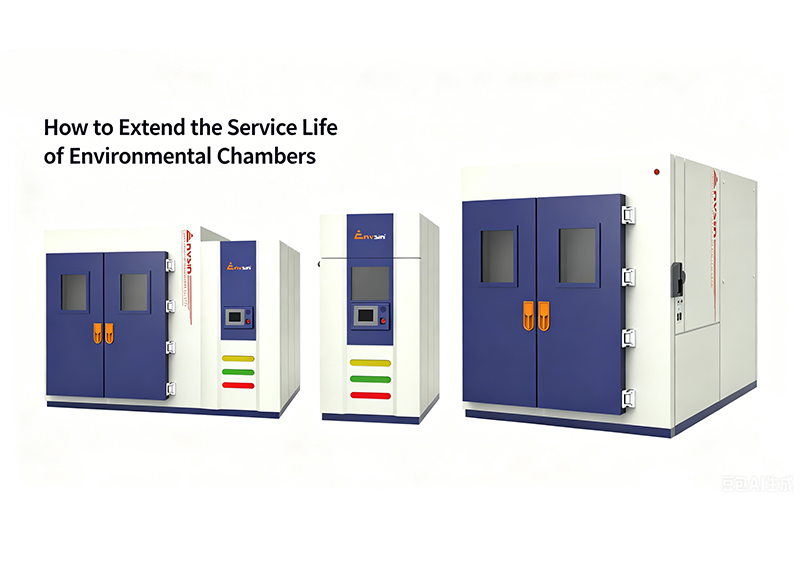
Environmental chambers represent a significant financial commitment for any testing facility or R&D department. When these complex systems experience unscheduled downtime, it does more than stall your immediate projects; it compromises overall product development timelines and risks costly compl...
Learn More
If you’ve ever stared at two environmental test chambers and wondered why one costs nearly double the other, you’re not alone. Choosing the wrong type doesn’t just hurt your budget—it can let hidden product defects slip into the field. The real distinction lies in understanding the ESS chambers vs. ...
Learn More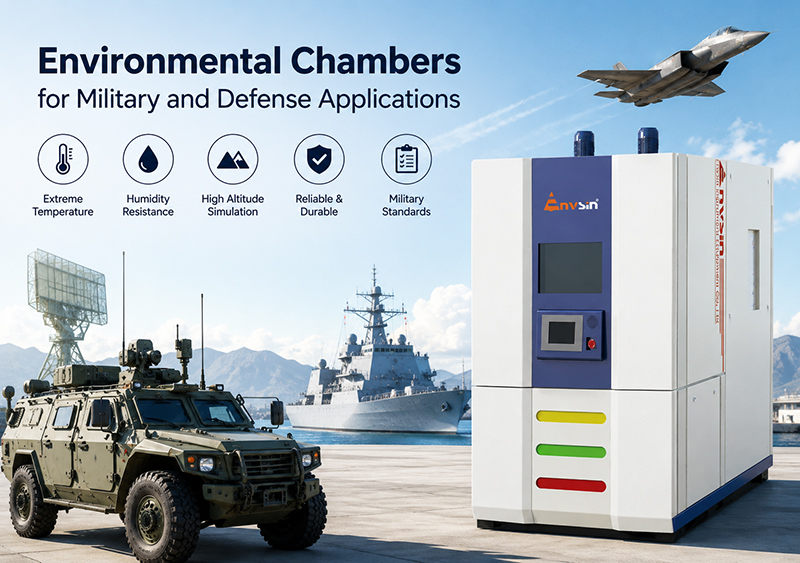
When military hardware fails in extreme desert heat or arctic cold, missions collapse and lives hang in the balance. Environmental chambers engineered for defense applications eliminate that uncertainty. At Envsin, we build rugged test chambers that replicate the harshest operational realities – fro...
Learn More
Over the past three years, battery-related fires in electric vehicles and stationary storage have increased by nearly 40%, pushing safety engineers to rethink how we validate lithium-ion cells. Thermal runaway — a fast, uncontrollable heat reaction — can turn a minor defect into a catastrophic explo...
Learn More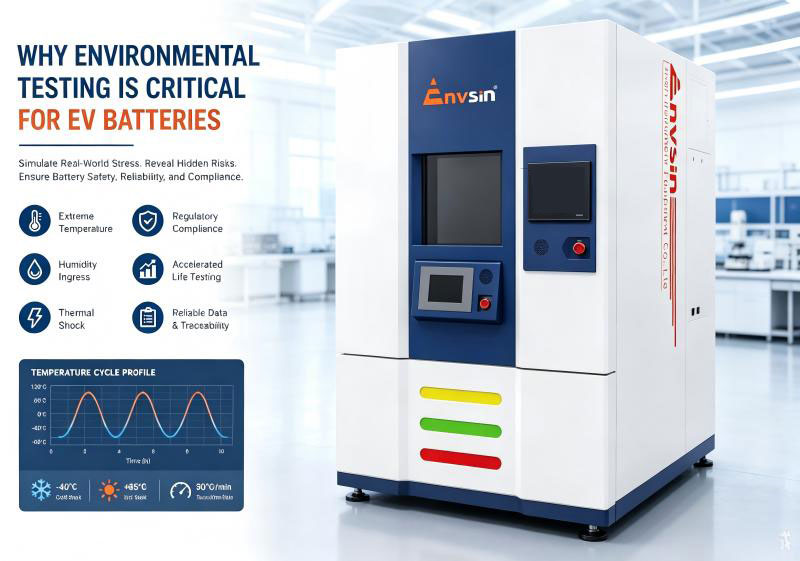
During accelerated lifecycle testing of an 800V EV battery pack, a leading automotive supplier observed sudden voltage drops after only 150 thermal cycles between -40°C and +85°C. Standard charge-discharge protocols had passed the module design, but the rapid expansion and contraction of internal ce...
Learn More