





A adoção de veículos eléctricos está a acelerar mais do que nunca, mas Fiabilidade das baterias dos VE continua a ser o fator mais crítico que separa os líderes de mercado das dispendiosas recolhas. Os engenheiros do sector automóvel e os laboratórios de certificação enfrentam uma enorme pressão para cumprir rigorosos Normas de ensaio da fiabilidade das baterias de veículos eléctricos garantindo simultaneamente a segurança, a longevidade e o desempenho em condições extremas. Este guia fornece métodos essenciais, normas globais e conhecimentos especializados - incluindo a forma como os modernos câmaras de ensaio ambientais simplificam os processos de validação para fabricantes de todo o mundo. Quer esteja a desenvolver pacotes de iões de lítio da próxima geração ou a validar módulos de baterias, o domínio destes protocolos é o seu roteiro para baterias de tração com zero defeitos.
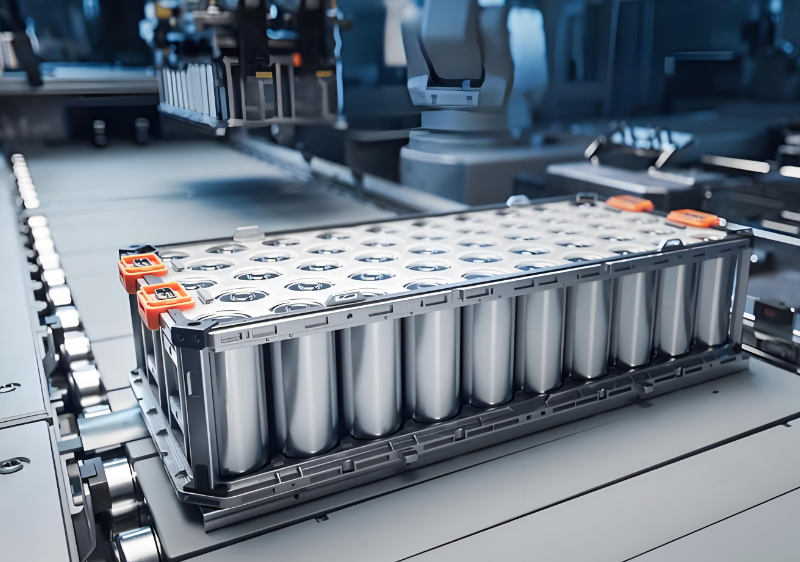
Padrões globais que impulsionam a fiabilidade das baterias de veículos eléctricos
As organizações líderes definiram parâmetros de referência rigorosos para normalizar Ensaios de fiabilidade de baterias de veículos eléctricos. A conformidade com estas estruturas não só garante a segurança como também acelera a entrada no mercado. As principais normas referenciadas pelos principais OEMs e laboratórios de teste incluem:
- UL 2580 - Requisitos de segurança para baterias EV, abrangendo tolerância a abusos eléctricos, mecânicos e ambientais.
- IEC 62660-1/-2 - Testes de desempenho e de vida útil de células de iões de lítio para propulsão de veículos eléctricos.
- SAE J2464 - Ensaios de abuso de baterias de veículos eléctricos (choque mecânico, fuga térmica, sobrecarga).
- ISO 12405-4 - Desempenho elétrico e mecânico, bem como durabilidade do ciclo térmico.
Cada um destes normas de ensaio de fiabilidade exige intervalos de temperatura específicos, perfis de humidade e ciclos de tensão dinâmicos. Sem equipamento de simulação preciso, o cumprimento destes critérios torna-se impraticável.
⚙️ Principais métodos de ensaio de fiabilidade para baterias de veículos eléctricos
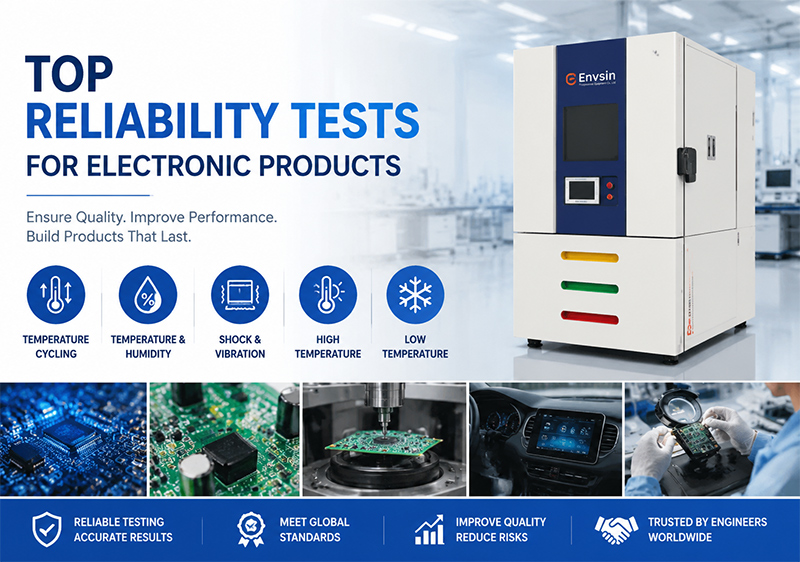
Para validar verdadeiramente a integridade das células e das embalagens, os engenheiros aplicam um conjunto de métodos comprovados concebidos para reproduzir o envelhecimento, os climas extremos e o stress mecânico do mundo real. A tabela abaixo descreve os principais protocolos intimamente ligados ao alto desempenho câmaras de ensaio ambientais.
1️⃣ Ciclagem térmica e choque térmico
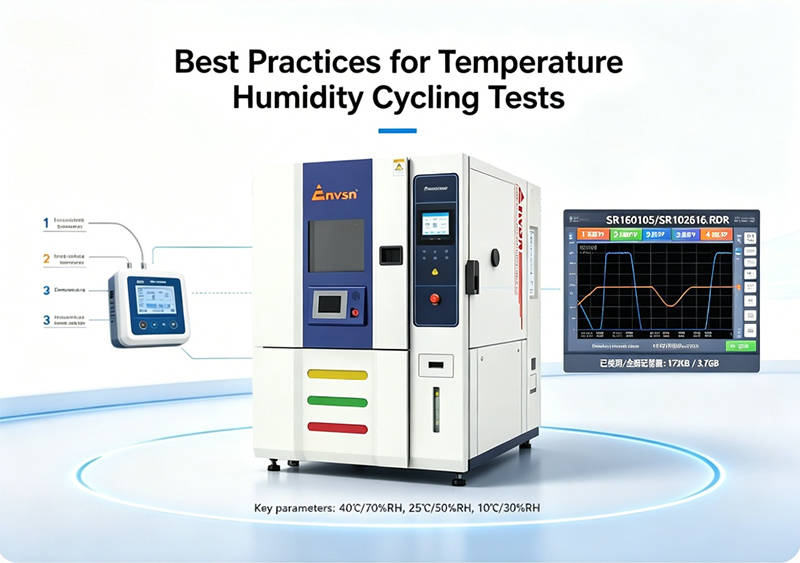
As baterias enfrentam oscilações de temperatura, desde arranques a frio abaixo de zero até sessões de carregamento a quente. O ciclo térmico (por exemplo, -40°C a +85°C com tempos de imersão definidos) expõe a degradação precoce, as falhas de contacto e os problemas de integridade dos vedantes. Utilizando câmaras de ensaio ambientais com taxas de rampa rápidas garante a conformidade com a norma IEC 60068-2-14 e especificações para automóveis.
2️⃣ Tolerância ao calor húmido e à humidade
A humidade elevada combinada com a temperatura acelera a corrosão, a quebra do isolamento e as reacções electroquímicas laterais. As normas exigem frequentemente 85°C / 85% RH durante centenas de horas. Precisão câmaras de ensaio de temperatura e humidade manter condições estáveis para verificar a fiabilidade a longo prazo em ambientes tropicais ou de condensação - um requisito essencial para as plataformas globais de VE.
3️⃣ Vibrações e choques mecânicos
As cargas rodoviárias, os buracos e as vibrações exercem pressão sobre as ligações internas e as estruturas celulares. Os ensaios combinados de vibração-temperatura (aleatórios/multi-eixos) reproduzem a dinâmica de condução real. Muitos laboratórios efectuam agora ensaios simultâneos de vibração dentro de câmaras de ensaio ambientais para simular a sobreposição térmico-mecânica, proporcionando o mais alto nível de Ensaios de fiabilidade de baterias de veículos eléctricos fidelidade.
4️⃣ Proteção IP e pulverização salina
Os conjuntos de baterias montados sob o chassis do veículo têm de resistir à entrada de água, pó e sal da estrada. Os testes IP6K9K, de corrosão por salitre e de salpicos garantem a durabilidade da vedação. As câmaras fiáveis equipadas com ciclos programáveis ajudam os fabricantes a evitar dispendiosas falhas na garantia.
📊 Como escolher a câmara de teste ambiental correta para baterias de veículos eléctricos
A seleção de uma câmara de ensaio tem um impacto direto na conformidade com Normas de ensaio da fiabilidade das baterias de veículos eléctricos. As principais especificações a avaliar incluem uniformidade de temperatura (±0,5°C ou melhor), gama de humidade (10% a 98% RH), taxas de aquecimento/arrefecimento (≥3°C/min para simulação de choque térmico) e dimensões internas para baterias de tamanho normal. Além disso, o registo de dados e a monitorização remota garantem a rastreabilidade para certificações como a ISO 17025.
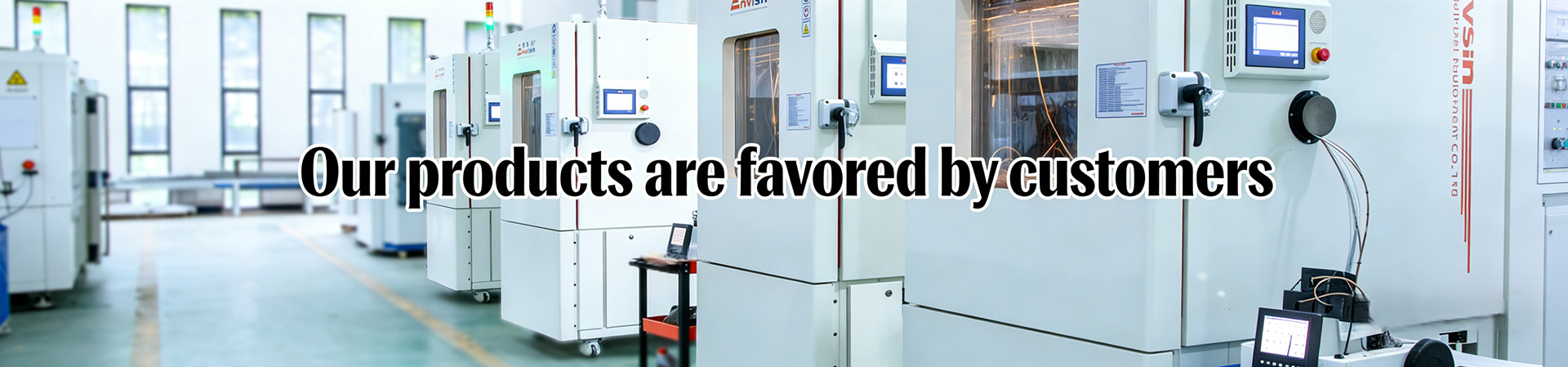
Parceiros fiáveis como Envsin (www.envsin-testchamber.com) oferecem soluções específicas câmaras de ensaio ambientais adaptados aos testes de baterias para veículos eléctricos: câmaras de entrada para pacotes completos, unidades de bancada para células/módulos e câmaras de choque térmico programáveis. Cada sistema foi concebido para cumprir as normas IEC, UL e SAE, ajudando os laboratórios a evitarem novos ensaios dispendiosos e assegurando que cada bateria cumpre os padrões de fiabilidade globais.
Recomendações finais para o seu plano de validação de baterias para VE
A fiabilidade começa com um plano de testes claro que incorpora Normas de ensaio da fiabilidade das baterias de veículos eléctricos logo na fase de conceção. Utilize testes de vida acelerados para descobrir mecanismos de falha, inclua sempre ciclos térmicos e de humidade e nunca negligencie os testes mecânicos e de proteção contra a entrada. Uma infraestrutura robusta de testes ambientais reduz as devoluções no terreno, reforça a reputação da marca e acelera a aprovação regulamentar.
Para os fabricantes que pretendem exceder as expectativas da indústria, a Envsin fornece soluções chave-na-mão câmaras de ensaio ambientais com controlos precisos, eficiência energética e assistência técnica global. Comece o seu próximo projeto de validação com equipamento verificado que faz Fiabilidade das baterias dos VE um ativo de engenharia mensurável.