





전기 자동차 도입이 그 어느 때보다 빠르게 가속화되고 있습니다. EV 배터리 안정성 는 여전히 시장 선도업체와 비용이 많이 드는 리콜을 구분하는 가장 중요한 요소입니다. 자동차 엔지니어와 인증 연구소는 엄격한 기준을 충족해야 하는 엄청난 압박에 직면해 있습니다. 전기차 배터리 신뢰성 테스트 표준 극한의 조건에서 안전, 수명, 성능을 보장합니다. 이 가이드는 필수적인 방법, 글로벌 표준 및 전문가 인사이트를 제공합니다. 환경 테스트 챔버 전 세계 제조업체의 검증 프로세스를 간소화합니다. 차세대 리튬 이온 팩을 개발하든 배터리 모듈을 검증하든, 이러한 프로토콜을 숙지하는 것이 무결점 트랙션 배터리를 위한 로드맵입니다.
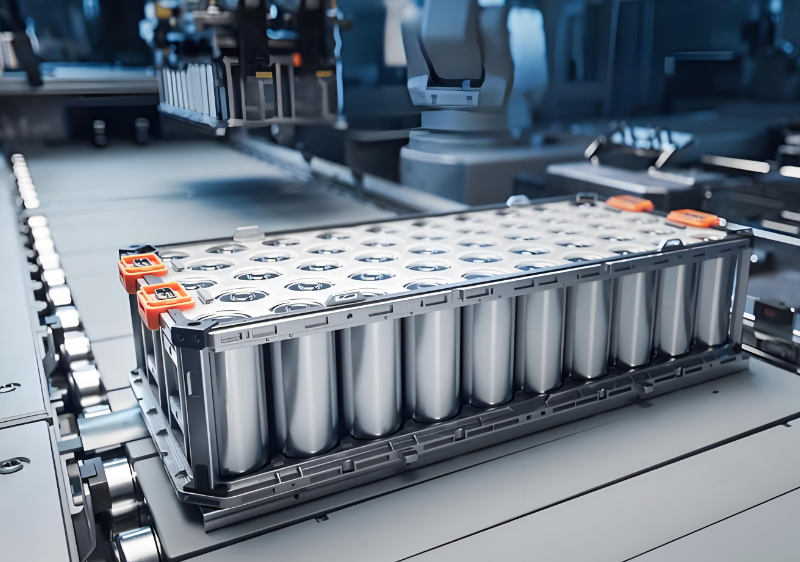
📌 전기차 배터리 신뢰성을 주도하는 글로벌 표준
선도적인 조직은 표준화를 위해 엄격한 벤치마크를 정의했습니다. 전기차 배터리 신뢰성 테스트. 이러한 프레임워크를 준수하면 안전이 보장될 뿐만 아니라 시장 진입도 빨라집니다. 주요 OEM 및 테스트 랩에서 참조하는 주요 표준은 다음과 같습니다:
- UL 2580 - 전기적, 기계적, 환경적 남용 허용 오차를 포함하는 전기차 배터리에 대한 안전 요구 사항입니다.
- IEC 62660-1/-2 - 전기차 추진을 위한 리튬 이온 전지의 성능 및 수명 테스트.
- SAE J2464 - 전기 자동차 배터리 남용 테스트(기계적 충격, 열 폭주, 과충전).
- ISO 12405-4 - 전기 및 기계적 성능과 열 사이클 내구성.
이러한 각 신뢰성 테스트 표준 는 특정 온도 범위, 습도 프로파일 및 동적 스트레스 사이클을 요구합니다. 정밀한 시뮬레이션 장비 없이는 이러한 기준을 충족하는 것이 현실적으로 불가능합니다.
⚙️ 전기차 배터리의 주요 신뢰성 테스트 방법
셀과 팩의 무결성을 검증하기 위해 엔지니어는 실제 노화, 극한의 기후, 기계적 스트레스를 재현하도록 설계된 일련의 입증된 방법을 적용합니다. 아래 표에는 고성능과 밀접하게 연결된 핵심 프로토콜이 요약되어 있습니다. 환경 테스트 챔버.
1️⃣ 열 순환 및 열 충격
배터리는 영하의 저온 시동부터 고온 충전 세션까지 온도 변화에 직면합니다. 열 사이클링(예: -40°C~+85°C, 담금 시간 지정)은 조기 성능 저하, 접촉 불량, 밀봉 무결성 문제를 일으킬 수 있습니다. 고급 사용 환경 테스트 챔버 빠른 램프 속도로 IEC 60068-2-14 및 자동차 사양을 준수합니다.
2️⃣ 습열 및 습도 내성
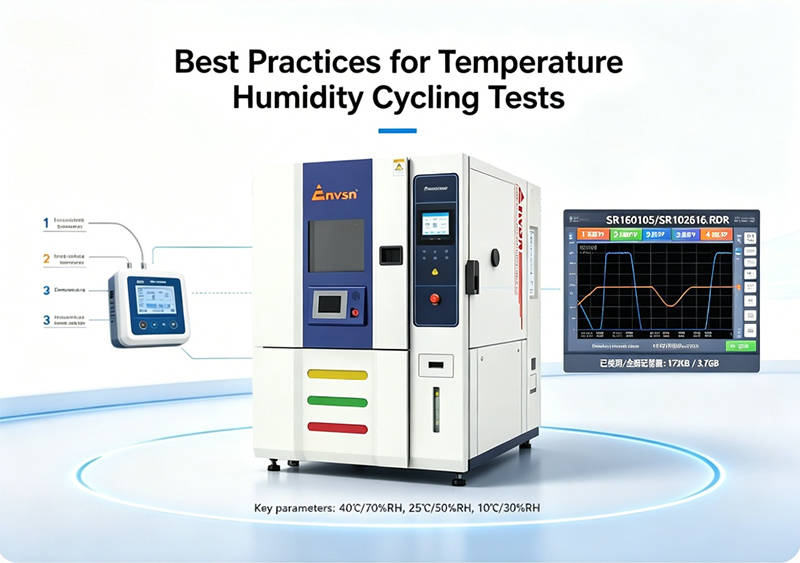
높은 습도와 온도가 결합하면 부식, 절연 파괴, 전기 화학적 부반응이 가속화됩니다. 표준에서는 종종 수백 시간 동안 85°C / 85% RH를 요구합니다. 정밀도 온도 습도 테스트 챔버 글로벌 전기차 플랫폼의 핵심 요건인 열대 또는 결로 환경에서 장기적인 안정성을 검증할 수 있는 안정적인 조건을 유지합니다.
3️⃣ 기계적 진동 및 충격
도로 하중, 포트홀, 진동은 내부 연결부와 셀 구조에 스트레스를 줍니다. 진동-온도 결합 테스트(랜덤/다축)는 실제 주행 동역학을 재현합니다. 현재 많은 실험실에서 내부 진동 테스트를 동시에 수행합니다. 환경 테스트 챔버 를 사용하여 열-기계적 중첩을 시뮬레이션하여 최고 수준의 전기차 배터리 신뢰성 테스트 충실도.
4️⃣ IP 보호 및 염수 분무
차량 섀시 아래에 장착되는 배터리 팩은 물의 침투, 먼지, 도로 염분에 견딜 수 있어야 합니다. IP6K9K, 염수 분무 부식 및 물 튀김 테스트를 통해 씰링 내구성을 보장합니다. 프로그래밍 가능한 사이클을 갖춘 신뢰할 수 있는 챔버는 제조업체가 값비싼 보증 실패를 방지하는 데 도움이 됩니다.
📊 전기차 배터리에 적합한 환경 테스트 챔버를 선택하는 방법
테스트 챔버 선택은 다음 규정 준수에 직접적인 영향을 미칩니다. 전기차 배터리 신뢰성 테스트 표준. 평가해야 할 주요 사양에는 온도 균일성(±0.5°C 이상), 습도 범위(10%~98% RH), 가열/냉각 속도(열 충격 시뮬레이션의 경우 ≥3°C/min), 풀사이즈 배터리 팩의 내부 치수가 포함됩니다. 또한 데이터 로깅 및 원격 모니터링을 통해 ISO 17025와 같은 인증을 위한 추적성을 보장합니다.
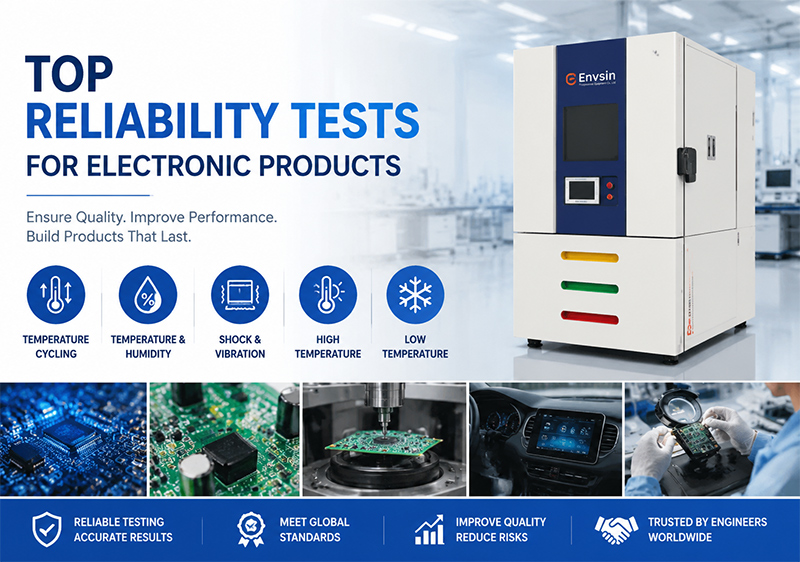
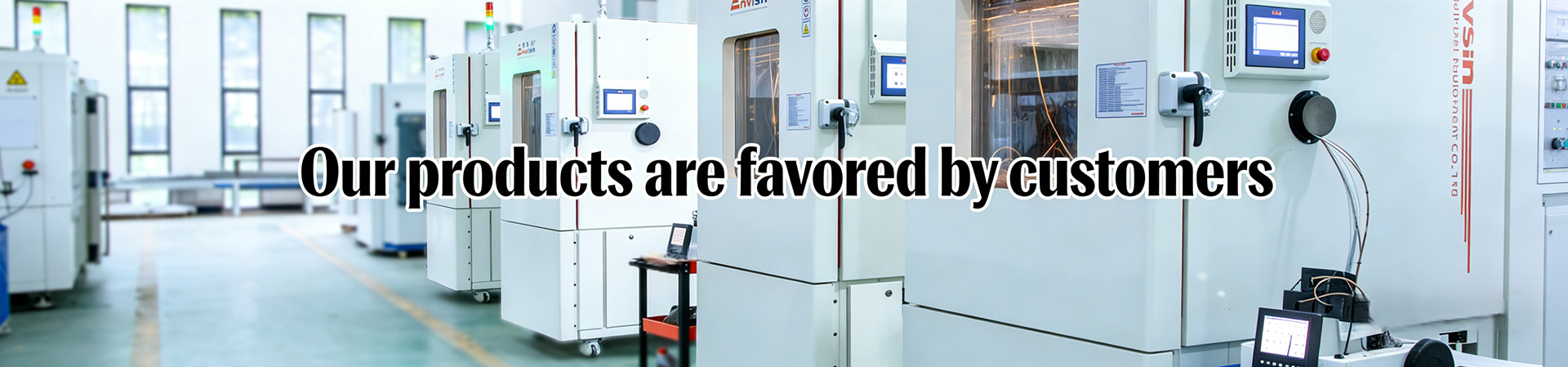
다음과 같은 신뢰할 수 있는 파트너 Envsin(www.envsin-testchamber.com) 목적에 맞게 구축된 환경 테스트 챔버 풀 팩용 워크인 챔버, 셀/모듈용 벤치탑 유닛, 프로그래밍 가능한 열충격 챔버 등 전기차 배터리 테스트에 맞춤화되어 있습니다. 각 시스템은 IEC, UL 및 SAE 표준을 충족하도록 설계되어 실험실에서 비용이 많이 드는 재시험을 피하고 모든 배터리가 글로벌 신뢰성 벤치마크를 준수하도록 보장합니다.
✅ 전기차 배터리 검증 계획을 위한 최종 권장 사항
신뢰성은 인정된 테스트 계획이 포함된 명확한 테스트 계획에서 시작됩니다. 전기차 배터리 신뢰성 테스트 표준 설계 단계 초기부터 시작하세요. 가속 수명 테스트를 사용하여 고장 메커니즘을 파악하고, 항상 열-습도 순환을 포함하며, 기계적 및 침입 보호 테스트를 간과하지 마세요. 강력한 환경 테스트 인프라는 현장 반품을 줄이고, 브랜드 평판을 강화하며, 규제 승인을 가속화합니다.
업계의 기대치를 뛰어넘는 것을 목표로 하는 제조업체를 위해 Envsin은 턴키를 제공합니다. 환경 테스트 챔버 정밀한 제어, 에너지 효율성 및 글로벌 서비스 지원을 제공합니다. 검증된 장비로 다음 검증 프로젝트를 시작하세요. EV 배터리 안정성 측정 가능한 엔지니어링 자산입니다.