





You just landed a contract to supply environmental testing data for a new electric vehicle battery pack. Your first question is not about temperature range or humidity control. It is much simpler than that. Do you buy a reach-in test chamber or a walk-in chamber? Picking the wrong size can waste fifty thousand dollars on unused capacity or, even worse, force you to reject orders because your equipment is too small. Before you write a purchase order, let us walk through the real differences and help you decide which one fits your lab.
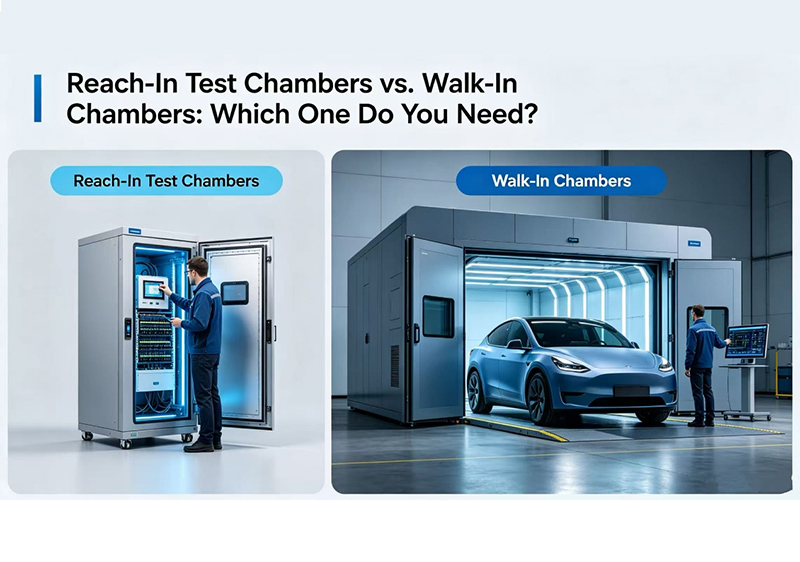
The choice between a reach-in and a walk-in chamber comes down to three things: sample size, test volume, and how often you change configurations. Both types control temperature and humidity reliably. Both can run steady state or cycling profiles. But they serve completely different jobs on the factory floor.
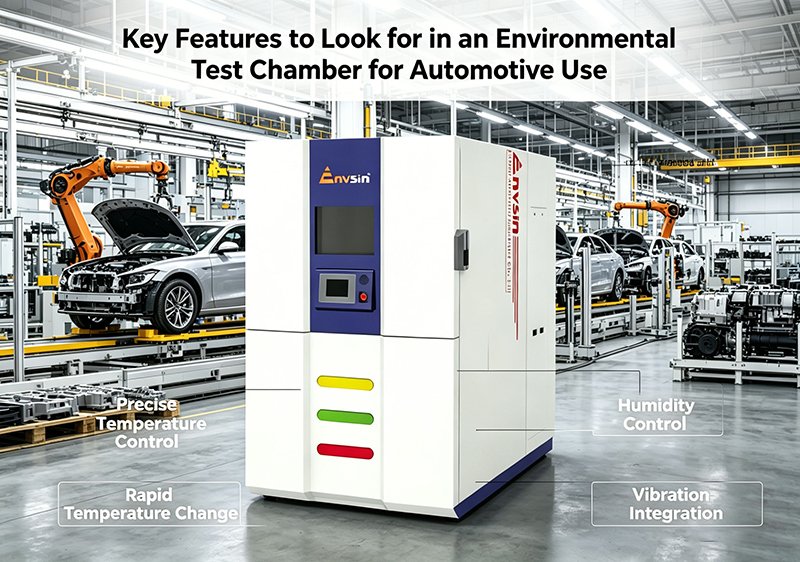
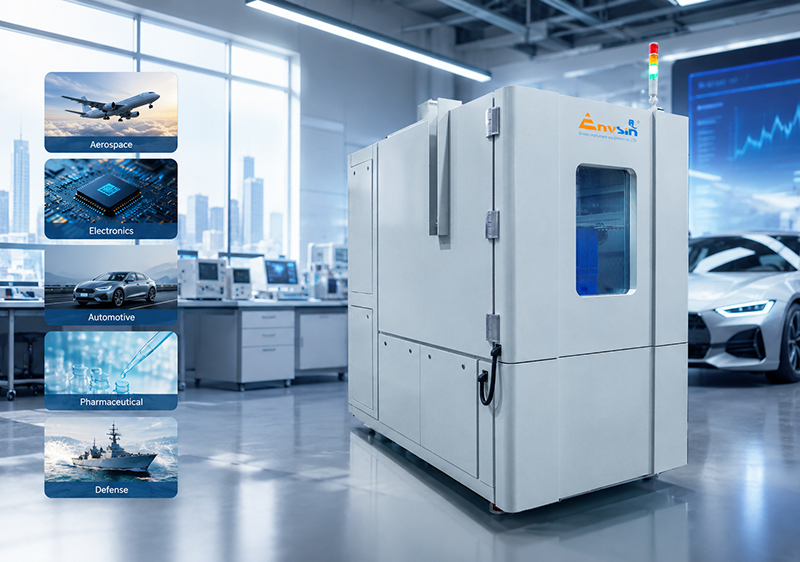
A reach-in test chamber is what most engineers imagine when they think of environmental testing. It looks like a tall refrigerator or a front loading oven. You open the door, slide your product onto shelves or a cart, and close it. Typical interior volumes range from 100 to 2000 liters. These units work well for printed circuit boards, sensors, small power supplies, and consumer electronics. You can fit several shelves inside, which means testing multiple batches at once. A reach-in environmental test chamber also costs less to buy and operate. It plugs into standard power in many cases and fits through a normal doorway.
The main limitation is size. If your product measures more than one meter in any direction, a reach-in chamber becomes a tight squeeze. Heavy items also cause problems because loading shelves at waist height gets awkward with a fifty kilogram unit. And once the door closes, you cannot adjust thermocouples or inspect the sample without stopping the test.
A walk-in chamber solves those problems by letting you become part of the test. You walk inside to set up large equipment like industrial drives, battery racks, or complete subassemblies. Typical walk in chambers start around 10 cubic meters and go up to custom rooms that hold an entire truck cabin. You gain floor space for rolling carts and overhead clearance for tall cabinets. Some labs even use walk-ins as permanent test cells where operators enter daily to record data.
But walk-ins come with trade offs. They require dedicated floor space, often a full room addition or a warehouse area. Power demands are higher. Installation needs professional rigging and sometimes changes to your electrical panel. The price tag also jumps significantly, often three to five times what you would pay for a reach-in unit.
So how do you decide? Start by measuring your largest product today and any products you expect to test in the next three years. Add twenty percent for fixtures and airflow clearance. If that number fits inside a reach-in chamber, start there. You can always add a walk-in later as your business grows. If your largest product already exceeds 1.5 meters in height or length, skip straight to a walk-in.
Also consider throughput. A reach-in test chamber works best for batch testing where you run one profile, remove finished samples, and load the next set. A walk-in works better for long duration tests where the same product sits inside for weeks. Opening a walk-in door during a test costs more energy to recover, so you want fewer entries.
Test standards matter too. Some automotive or military specs require sensors at specific locations on a large assembly. Doing that through a reach-in door port is frustrating. Walking inside to place each sensor takes five minutes instead of an hour.
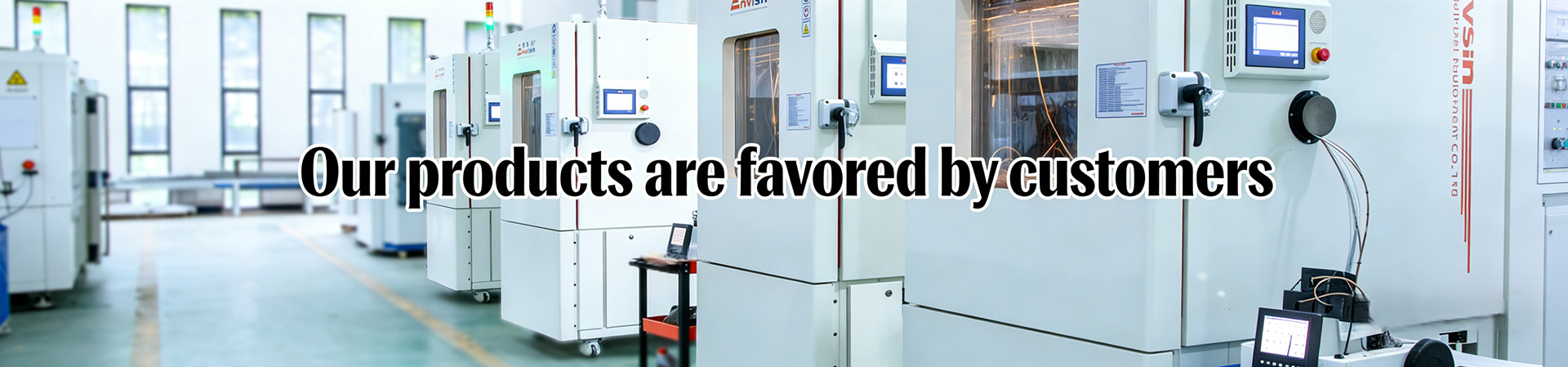
At Envsin, we build both types. Our reach-in chambers range from 150 to 2000 liters with options for humidity, thermal shock, and fast ramp rates. Our walk-in chambers cover everything from 10 to over 100 cubic meters with modular panels that go through existing doorways for assembly on site. We also offer a third option: a pass through chamber with doors on both ends for production line testing. Still unsure? Send us your product dimensions and test standards. We will recommend a configuration and even offer a layout drawing for your lab. Stop guessing. Start testing at the right scale. Visit www.envsin-testchamber.com to compare models side by side.