





An aircraft engine operates at searing temperatures while wing-mounted electronics endure -55°C at cruising altitude. Within minutes, a satellite can swing from the deep cold of Earth’s shadow to the blistering heat of direct sunlight. These rapid, extreme changes push aerospace components to their absolute limits. If a single part fails mid‑flight, the consequences are catastrophic. That is why aerospace engineers depend on środowiskowe komory testowe to validate every component before it ever leaves the ground. Without rigorous simulation of real‑world extremes, even the most advanced designs remain unproven and unsafe.
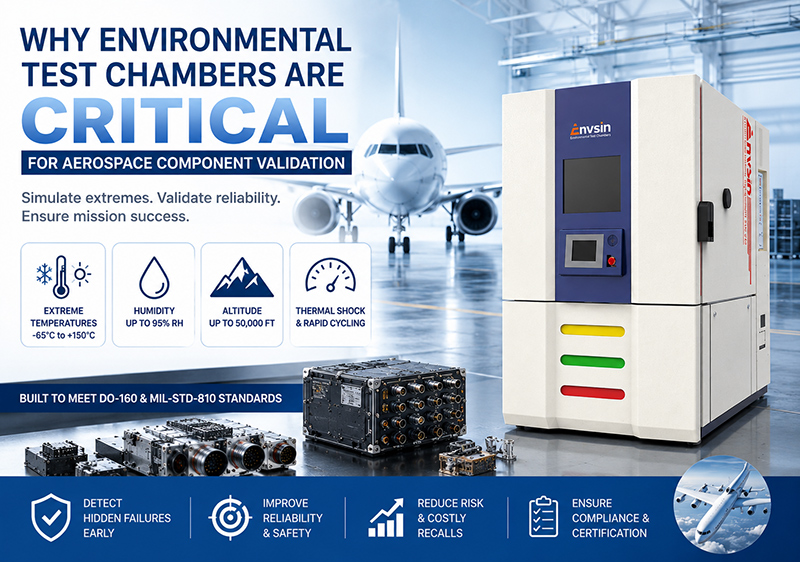
The Stakes: Why Aerospace Validation Cannot Afford Gaps
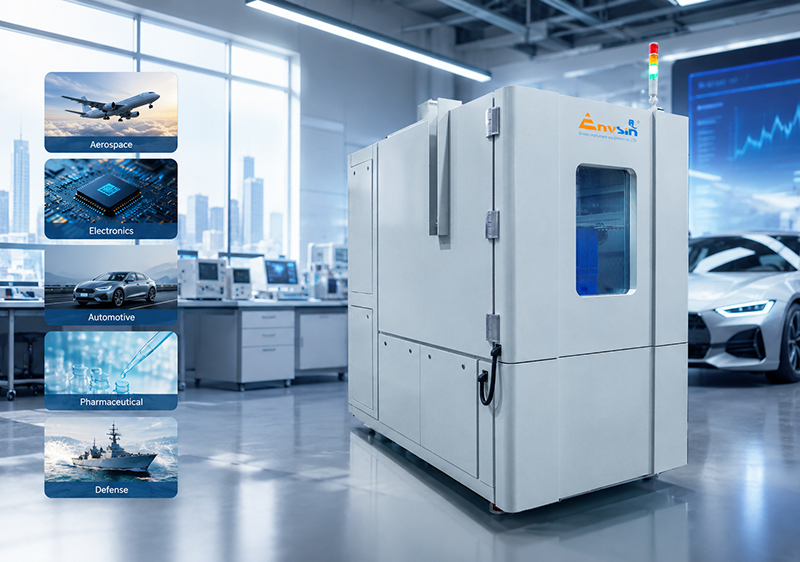
Aerospace components face a brutal combination of temperature swings, humidity, altitude pressure, and vibration. A temperature cycling chamber replicates the thermal stress that occurs during ascent and descent, exposing solder joints, seals, and composite materials to hundreds of cycles. Similarly, a thermal shock chamber subjects parts to instantaneous transitions between hot and cold zones, mimicking rapid weather changes or engine heat flux. An environmental test chamber that performs both functions gives engineers confidence that a part will survive not just one flight but years of service. Skipping or shortening these tests leads to in‑field failures, costly recalls, and loss of certification.
Key Tests Every Aerospace Component Must Pass
Regulatory bodies like the FAA and EASA require compliance with standards such as RTCA DO‑160 and MIL‑STD‑810. These demand a series of validated environmental tests:
Temperature cycling exposes components to repeated ramps between extreme lows and highs, typically -55°C to +85°C or wider. This test identifies cracking, delamination, and connector loosening. Humidity testing simulates tropical or high‑altitude moisture ingress, critical for avionics and radar systems. A dedicated environmental test chamber with precise humidity control ensures that circuit boards and sensors do not corrode or short under condensation. Thermal shock, often performed in a two‑zone or three‑zone chamber, transfers products instantly from cold to hot, revealing material brittleness and coating failures. Each of these protocols relies on repeatable, accurate chamber performance.
Altitude and Combined Stress Testing
Many aerospace components must also operate at reduced air pressure. An environmental test chamber equipped with altitude simulation can lower pressure to 15,000 feet or higher, checking for arcing, seal leakage, and cooling efficiency. Even more powerful are combined tests where temperature, humidity, and altitude change simultaneously. For instance, a flight control computer may experience -40°C at 40,000 feet with 95% humidity after rain ingress. Only advanced environmental test chambers can recreate these overlapping stresses and provide trustworthy data.
How Precision Chambers Improve Reliability and Reduce Risk
Using a high‑quality environmental test chamber directly impacts product lifespan and maintenance costs. Aerospace manufacturers that invest in robust thermal cycling and thermal shock testing detect design flaws early, when changes are still affordable. A temperature humidity chamber also verifies that composite structures, such as wing skins or radomes, do not absorb moisture that could freeze and crack at altitude. Furthermore, consistent test results help engineers refine materials and coatings, pushing the boundaries of performance without sacrificing safety. Envsin (www.envsin-testchamber.com) provides environmental test chambers built specifically for these demanding applications, offering uniform temperature distribution, fast ramp rates, and long‑term stability.
Selecting the Right Chamber for Aerospace Applications
Not every chamber meets the stringent needs of aerospace validation. Look for systems that offer wide temperature ranges (from -70°C to +180°C), rapid transition capabilities, and programmable humidity control. Data logging and remote monitoring are also essential for documenting compliance and sharing results with certification bodies. Whether you are testing engine sensors, landing gear electronics, or cabin pressure components, the right environmental test chamber becomes an extension of your engineering team. Partnering with an experienced supplier ensures that your equipment meets industry standards and delivers repeatable, audit‑ready results.
In the unforgiving environment of aerospace, there is no room for guesswork. Environmental test chambers provide the controlled, repeatable stress conditions that validate every part before it flies. From temperature cycling and thermal shock to humidity and altitude simulation, these chambers turn uncertainty into documented reliability. For engineers and quality managers, choosing the right test equipment is not just a technical decision; it is a commitment to safety and mission success.