





At 40,000 feet, air pressure drops by 80 percent. Avionics overheat because cooling fails. Seals crack from internal pressure. Batteries lose capacity. Aerospace engineers cannot afford to find these failures during flight. High altitude test chambers recreate these harsh conditions on the ground, combining low pressure with extreme temperatures to validate components before they ever leave the runway.
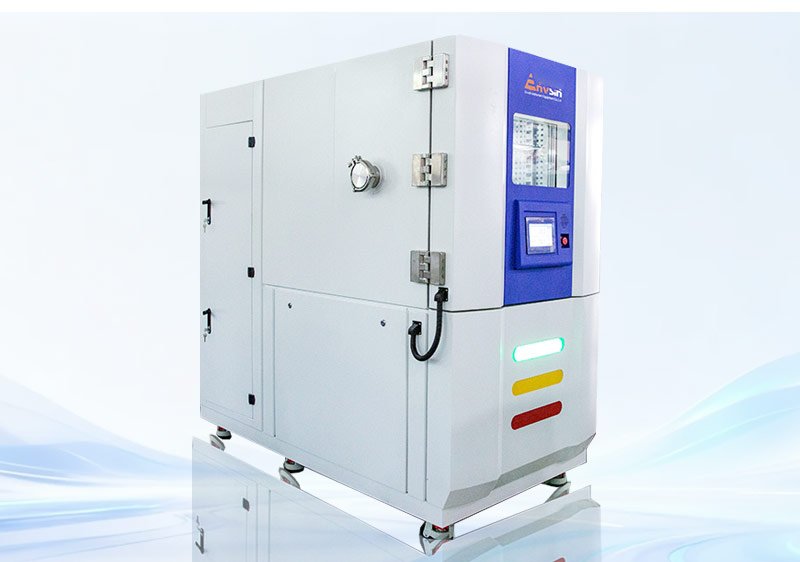
Components tested in high altitude test chambers show up to 60 percent fewer in-flight failures compared to sea-level-only validation. The aerospace sector mandates altitude simulation for a reason.
1. What Is a High Altitude Test Chamber
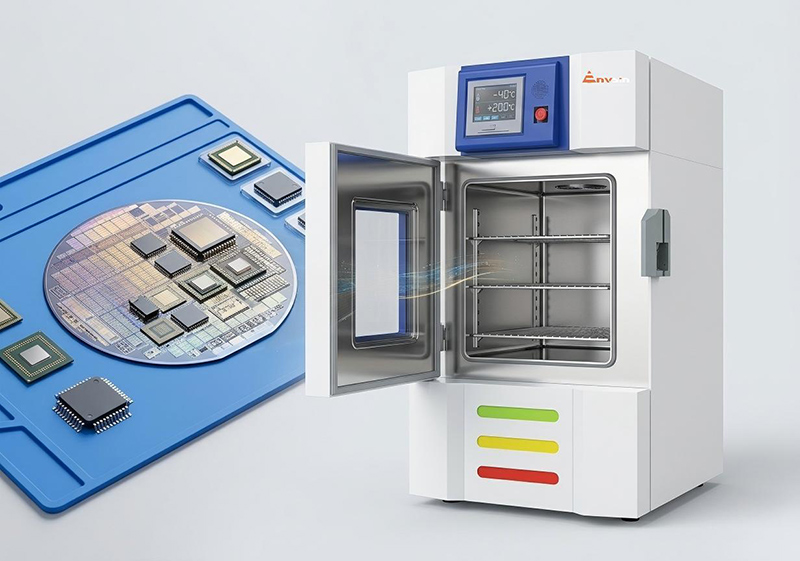
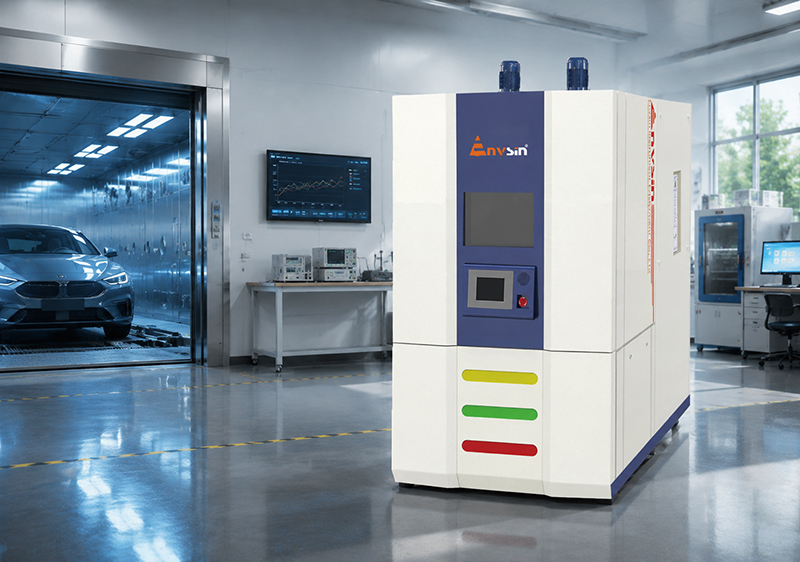
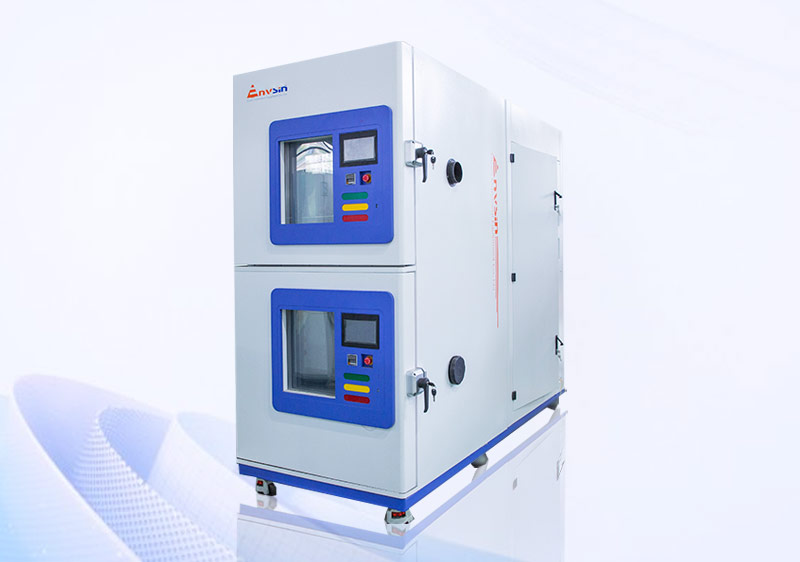
A high altitude test chamber is a sealed enclosure that reduces atmospheric pressure while controlling temperature. It simulates elevations from sea level up to 80,000 feet. Vacuum pumps remove air to create low pressure, while refrigeration and heating systems manage temperature from -70°C to +180°C. Engineers use high altitude test chambers to validate avionics, sensors, actuators, and mechanical assemblies under realistic flight profiles.
2. How Altitude Simulation Works
The chamber combines three stress factors: low air pressure, temperature extremes, and sometimes humidity. As pressure drops, heat dissipation through air decreases significantly. A component that runs cool at sea level may overheat at altitude. High altitude test chambers replicate this interaction by controlling both parameters simultaneously. The vacuum system pulls pressure down to target levels while thermal systems cycle through temperature ramps. Programmable controllers allow engineers to run standard profiles from RTCA DO-160 or MIL-STD-810, or create custom sequences that match specific aircraft operating envelopes.
💡 Engineering tip: Always power the device under test during altitude runs. Many intermittent failures only appear when the component operates under simultaneous pressure and temperature stress. High altitude test chambers with live monitoring capture these events.
3. Key Applications and Standards
High altitude test chambers serve R&D and QC teams across aerospace supply chains. Common test articles include flight controllers, power supplies, pressure sensors, and batteries. RTCA DO-160 Section 4 covers altitude and temperature testing for civil aviation. MIL-STD-810 Method 500 specifies low pressure procedures. High altitude test chambers certified for these standards provide auditable records that satisfy customer and regulatory requirements. Without proper altitude simulation, aerospace contracts remain out of reach.
Integrating high altitude test chambers into your reliability workflow reduces flight risks and strengthens qualification packages. Every component installed on an aircraft or drone must prove its performance at altitude. Visit www.envsin-testchamber.com for technical specifications and engineering consultation.