





Imagine spending months on a new electronic control unit, only to see it fail after a single winter night or a hot summer afternoon. That is the reality for manufacturers who skip one critical step: 열충격 테스트. Rapid temperature changes cause materials to expand and contract at different rates, leading to cracked solder joints, delaminated PCBs, and brittle seals. The most effective way to catch these defects before they reach the customer is through controlled, repeatable 열충격 테스트. At Envsin, we have seen how a well-designed test protocol separates reliable products from costly field failures. If you want to reduce warranty claims and protect your brand reputation, understanding thermal shock is the first step.
- What Makes Thermal Shock Different from Temperature Cycling
Many engineers confuse thermal shock testing with standard temperature cycling. The key difference lies in the transition speed. While ordinary cycling moves slowly between hot and cold extremes, thermal shock uses rapid transfers—often within seconds—between two chambers or by moving a product basket. This sudden change exposes weaknesses that gradual ramps would never reveal. For products like automotive sensors, aerospace avionics, or industrial power modules, 열충격 테스트 is non-negotiable. It mimics real-world stresses such as stepping from an air-conditioned factory into desert heat or a sudden rainstorm on hot electronics. By integrating this method early in design, you shift from reactive fixes to proactive quality.
- Common Failure Modes Uncovered by Thermal Shock
The hidden damage from extreme temperature jumps often shows up after months in the field. Typical failures include cracked ceramic capacitors, broken wire bonds, and lifted pads on circuit boards. Sealed enclosures may lose their integrity, allowing moisture to corrode sensitive components. Plastic molding compounds can develop micro-cracks that grow over time. 열 충격 테스트 accelerates these processes in a matter of days, giving engineers clear data on design margins. Without this insight, you risk shipping products that pass functional checks but fail under real weather changes. Leading manufacturers in automotive, telecom, and medical devices use thermal shock as a gatekeeper before mass production. It catches what visual inspection and standard burn-in cannot.
- Designing an Effective Thermal Shock Test Protocol
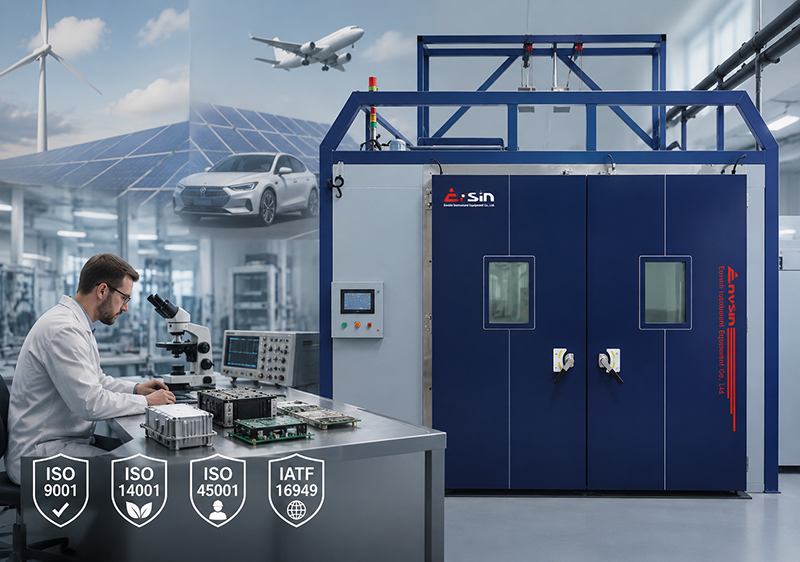
To get meaningful results, you need to define realistic extremes based on your product’s end environment. For under-hood automotive components, cycles from -40°C to +125°C are common. Consumer electronics might use -10°C to +60°C. Dwell time at each extreme should allow the product core to reach the set temperature. Transition time ideally stays below 30 seconds. Number of cycles varies from 100 for basic screening to over 1000 for high-reliability applications. A reliable 열충격 시험 챔버 provides repeatable transfer times and uniform airflows. Envsin’s chambers are designed for exactly this purpose: consistent performance that matches MIL-STD, IEC, and JEDEC standards. Documenting each cycle with data logging helps you prove compliance and trace improvements.
- How Envsin Helps You Implement Thermal Shock Testing
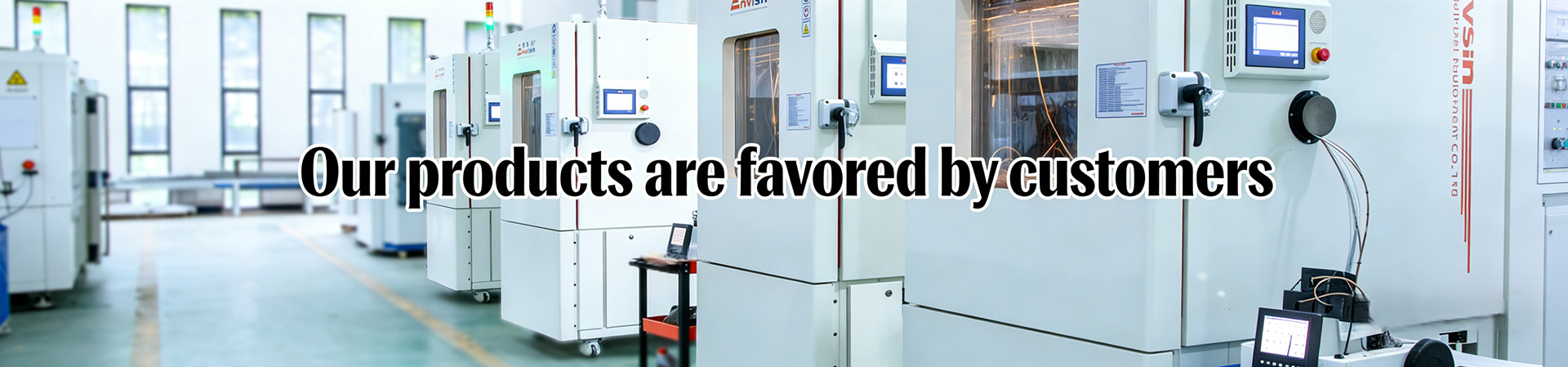
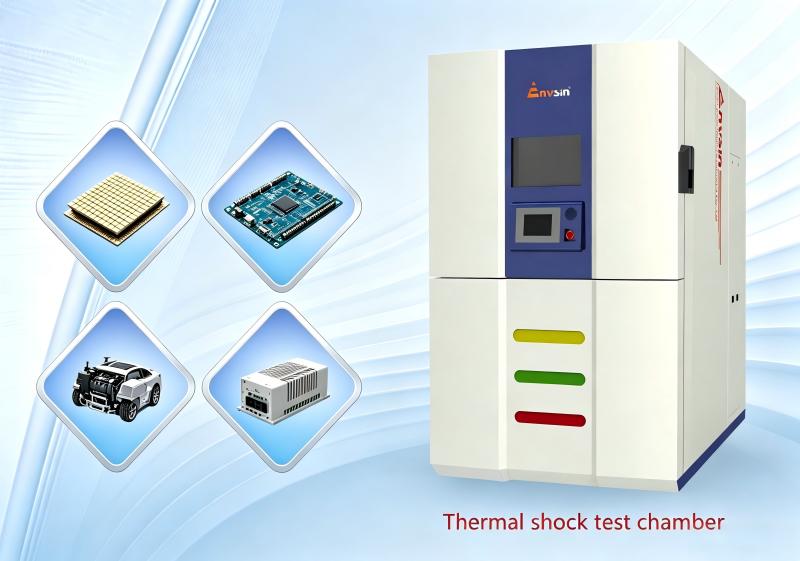
에서 Envsin (www.envsin-testchamber.com), we specialize in thermal shock test chamber solutions that fit your lab or production line. Our two-zone and three-zone chambers deliver rapid transfers with precise temperature control, whether you test components, subassemblies, or full devices. Easy-to-use touch interfaces, remote monitoring, and robust refrigeration systems make daily operation straightforward. Many of our clients in the semiconductor and automotive sectors have reduced field failure rates by over 40% after implementing our recommended test plans. We do not just sell chambers; we help you build a reliability strategy. If you are tired of unexpected returns or want to qualify a new design with confidence, reach out to our engineering team. Tell us your product specifications, and we will suggest the right thermal shock profile and chamber configuration.
Reducing product failure is not about luck—it is about controlled stress discovery. 열 충격 테스트 gives you the power to see exactly how your design behaves under the harshest transitions. Do not wait for a recall to tell you what could have been caught in testing. Contact Envsin today to discuss your application, request a quote, or schedule a virtual demo. Let us help you build products that survive the real world, every time.
Envsin — www.envsin-testchamber.com | Advanced Thermal Shock Chambers for Reliability Testing.
Contact us to reduce product failure rates with proven test solutions.