







You’ve budgeted for a new test chamber, but what if poor specifications secretly drain your R&D budget, delay product launches, or ruin months of validation work? Every year, engineering teams lose thousands of dollars because they pick the wrong environmental simulation equipment — without realizing it until it’s too late. The good news? You can bypass these traps. In this guide, we reveal five expensive mistakes when you choose the right test chamber, and how to make a decision that guarantees accuracy, compliance, and long-term value.
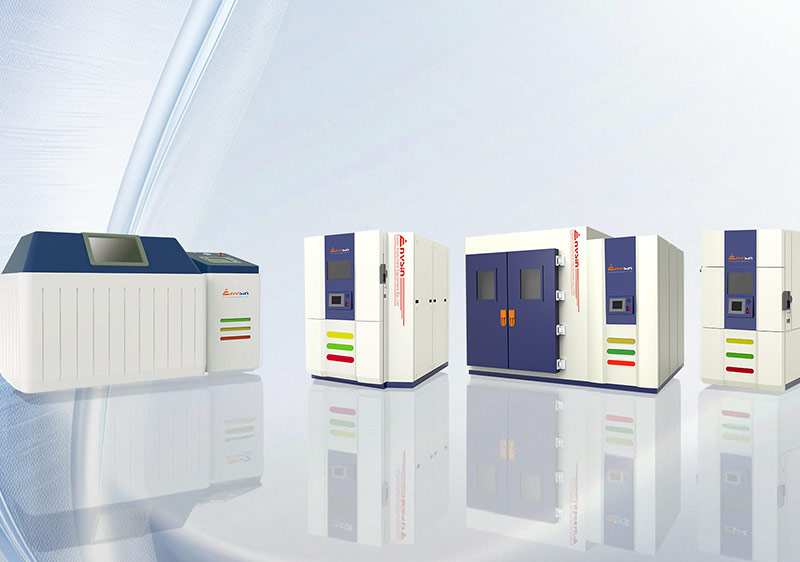
Smart fix: Calculate your peak load (including heat generated by DUT) and allow 20–30% extra space for air circulation. Always request a layout simulation from a trusted supplier like Envsin — tailored sizing prevents future testing bottlenecks.
Smart fix: Ask for independent uniformity reports (IEC 60068-3-5). Ensure specified ramp rates match your real-world product stress profiles. Brands like Envsin engineer precision chambers with advanced air duct design — ask for documented performance data before committing.
Mistake #3: Neglecting software & remote monitoring capabilitiesLegacy controllers with no data logging or poor UI force technicians to manually record parameters, increasing human error. In today’s regulated environment (FDA, ISO), lacking audit trail and real-time alarms is a compliance red flag.
Smart fix: Prioritize chambers that include intuitive programming, Ethernet/Cloud connectivity, and exportable reports. Envsin’s modern environmental test chambers integrate seamlessly into your quality management system, making data integrity effortless.
Mistake #4: Disregarding standards compliance and calibration
Buying a cheap unit that doesn’t meet ISO, MIL-STD, or ASTM standards will force you to outsource re-verification or face customer rejections. Worse, uncalibrated sensors deliver useless data.
Smart fix: When you choose the right test chamber, verify it includes factory calibration certificates and third-party validation for required norms. A reliable partner like Envsin offers chambers pre-qualified to common global standards, saving you months of metrology headaches.
Mistake #5: Focusing solely on upfront price – ignoring TCOThe lowest quotation often conceals higher energy consumption, frequent breakdowns, and minimal warranty support. After 18 months, you could pay double in repairs and downtime. “Cheap” has never been more expensive.
Smart fix: Compare total cost of ownership: energy efficiency rating, average service response time, spare parts availability, and included preventive maintenance. Envsin balances competitive pricing with industrial-grade reliability and responsive after-sales — ask for a TCO analysis before you finalize your test chamber purchase.
By avoiding these five mistakes, you ensure that your investment delivers repeatable, reliable results, reduces compliance risk, and accelerates time-to-market. Making an informed decision doesn’t have to be overwhelming — it starts with asking the right questions and partnering with a dedicated team.