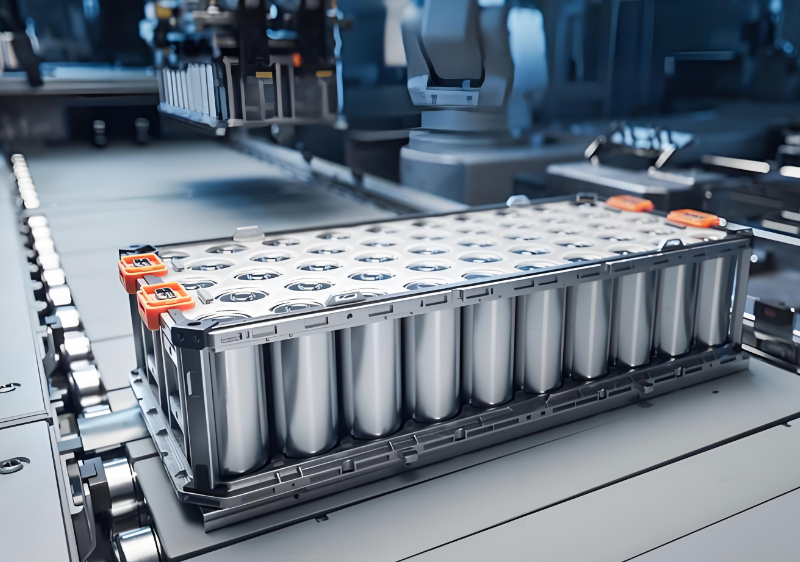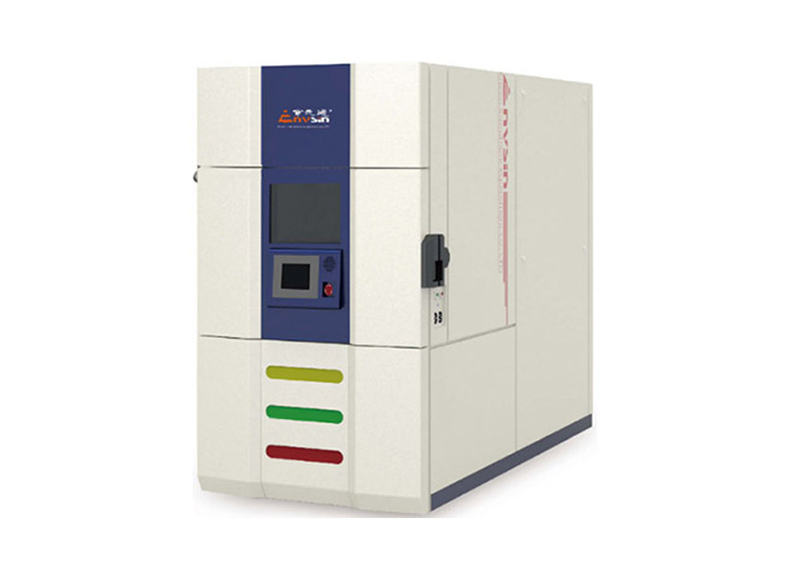








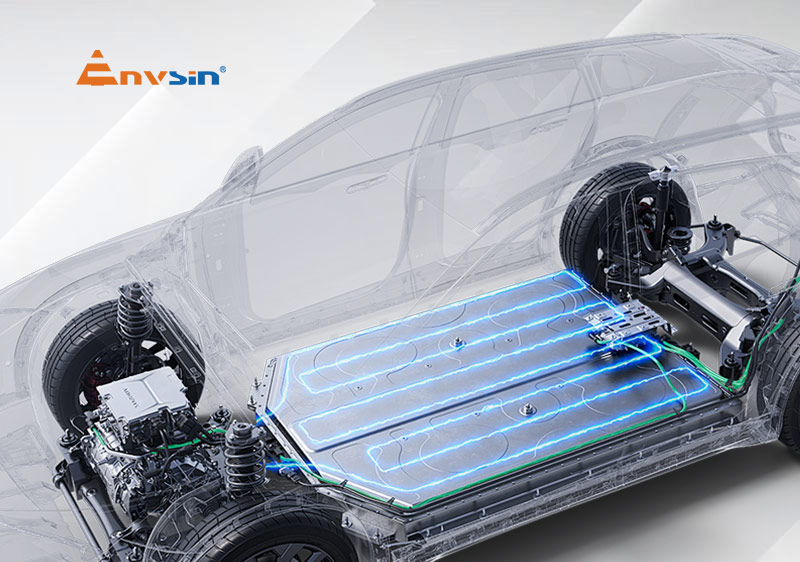
EV batteries are the powerhouse of electric mobility, but extreme temperatures, humidity, and relentless vibrations can turn performance into peril. Testing under real-world stress isn’t just good engineering — it’s a safety imperative. An cámara de pruebas ambientales de ENVSIN delivers the controlled, repeatable conditions needed to validate both battery performance and safety. Here’s your complete guide to essential EV battery tests.
1. Thermal Cycling Test – Performance Under Extreme Shifts
Rapid temperature swings from -40°C to 85°C accelerate cell aging and mechanical stress. Using an cámara de pruebas ambientales, engineers cycle temperatures to monitor capacity fade, impedance growth, and structural integrity. This EV battery testing method reveals micro-cracks, solder fatigue, and electrolyte stability — critical metrics that determine real-world range and lifespan.
2. Humidity & Damp Heat Testing – Sealing & Corrosion Resistance
Moisture ingress is a silent killer of battery packs, leading to short circuits and thermal events. Run damp-heat tests at 85°C / 85% RH for hundreds of hours. A high-precision cámara de pruebas ambientales with stable humidity control ensures that seals, connectors, and insulators withstand fog, condensation, and salty environments. Passing this test confirms robust battery safety in rainy or coastal regions.
3. Vibration & Combined Environment Testing – Real Driving Simulation
Real roads combine intense shaking with temperature swings and humidity. ENVSIN chambers integrate seamlessly with vibration systems, enabling tri-axis vibration while controlling temperature and humidity. This combined approach replicates years of potholes, bumps, and thermal cycles in just weeks. It’s the gold standard for validating EV battery performance under authentic driving loads, ensuring no hidden mechanical weakness.
4. Thermal Runaway & Abuse Testing – Safety Validation
To certify fail-safe behavior, engineers trigger internal short circuits or overheat cells inside a fire-rated cámara de pruebas ambientales. Monitor propagation speed, vented gases, and peak temperature spikes. Such testing meets UN38.3, UL 2580, and IEC 62660 standards. A reliable chamber contains hazards while delivering critical data for passive safety design — no compromises allowed when human lives depend on battery safety.
Why ENVSIN Environmental Test Chambers?
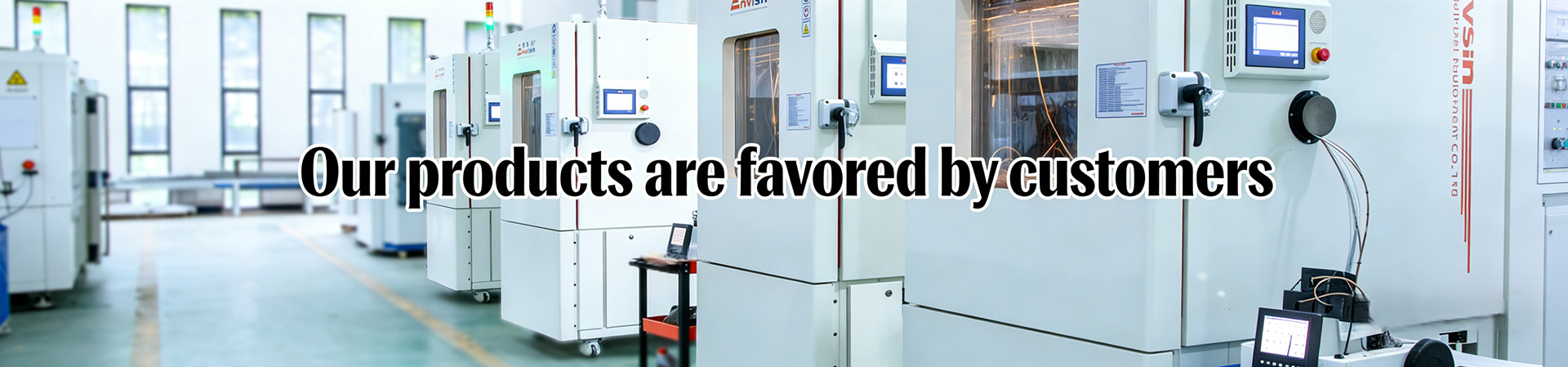
From R&D to quality assurance, ENVSIN provides turnkey cámaras de pruebas ambientales designed specifically for EV battery testing. Features include wide temperature ranges (-70°C to +180°C), rapid ramp rates, programmable humidity profiles, and data logging compliant with automotive standards. Our chambers help manufacturers eliminate field failures, accelerate certification, and deliver safer EVs to market.
Testing EV batteries without proper environmental simulation leaves dangerous blind spots. ENVSIN’s solutions give you precision, repeatability, and full traceability — the backbone of any robust EV battery performance and safety protocol. Ready to upgrade your lab? Contact ENVSIN today for expert consultation.