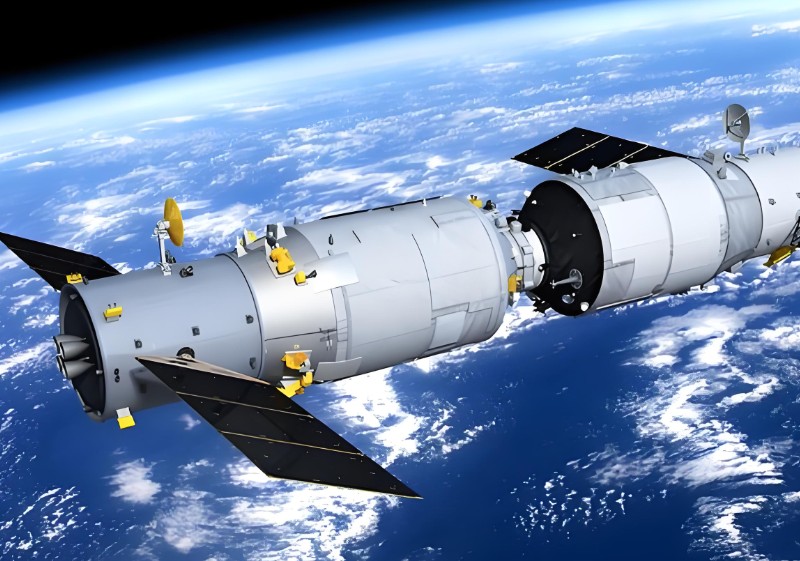






When a flight computer fails after repeated exposure to -55°C cold starts, the certification process has failed. Aerospace qualification relies on Umweltkammern to push components beyond normal limits and prove they survive extreme stresses. From thermal shock to humidity and altitude, these test chambers duplicate the harsh realities of launch, orbit, and high-altitude flight. No airworthy part escapes chamber validation — and that is where reliability begins.

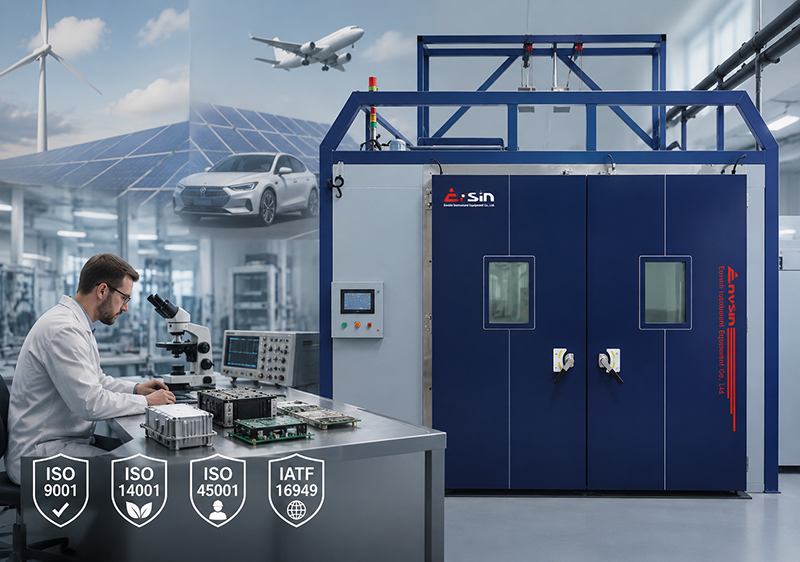
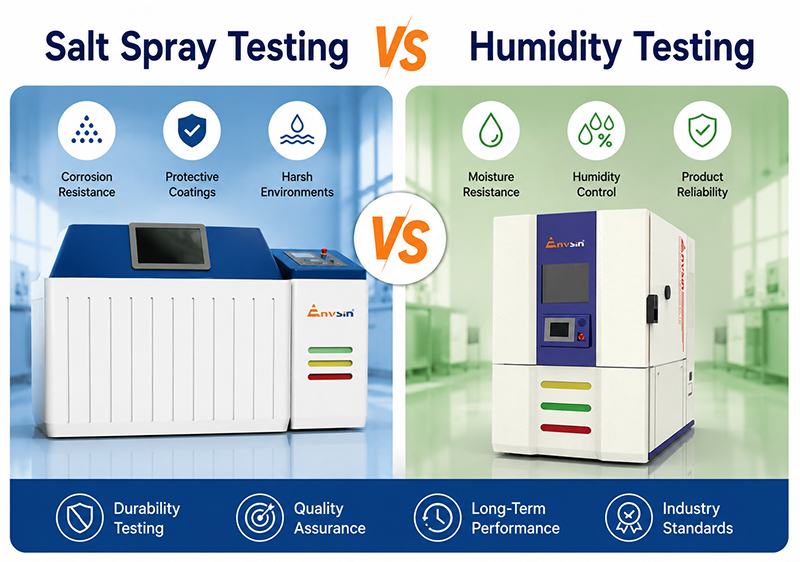
Industry standards like DO-160, MIL-STD-810, and RTCA/DO-254 demand documented thermal cycling, moisture resistance, and low-pressure performance. Umweltprüfkammern perform exactly these profiles with repeatable accuracy. A typical temperature chamber cycles from -55°C to +125°C to reveal solder cracks, connector fretting, or material delamination. Humidity chambers maintain 95% RH to check insulation integrity under tropical conditions. Altitude chambers simulate 15,000 meters or more to validate seal integrity and prevent arcing. Without this data, no component earns aerospace qualification.
Leading aerospace OEMs and their supply chains mandate chamber testing for every critical subsystem: flight controls, radar modules, actuators, sensors, and composite structures. A rapid-rate thermal chamber catches cold-start faults in avionics that would otherwise surface during flight. Combined temperature-humidity tests prevent in-flight condensation failures that corrode sensitive electronics. By discovering weaknesses early in the design phase, manufacturers avoid expensive redesigns, program delays, and safety risks. Environmental chambers thus directly support successful qualification and shorten time-to-certification.
Selecting the right Umweltkammer ensures repeatable, audit-ready results. Key parameters include ramp rate, temperature uniformity, workspace size, and strict compliance with DO-160 test sections. As a trusted partner, Envsin (www.envsin-testchamber.com) provides temperature, humidity, thermal shock, and altitude chambers specifically calibrated for aerospace qualification. Robust construction and precision controls help engineers pass certification efficiently, whether for COTS parts or custom flight hardware. In an industry where failure is not an option, reliable environmental chambers remain the silent guardians of every flight.