





Electric vehicles are conquering global roads at record speed, but beneath the sleek exteriors lies an unforgiving reality: extreme heat, freezing cold, and relentless moisture. Can your EV battery endure a Death Valley summer or a Norwegian winter storm? For automotive engineers, Umweltprüfung isn’t just a compliance step—it’s the ultimate validation of safety and longevity. In this guide, we break down the toughest hurdles in EV environmental testing and reveal field-proven best practices to help you build reliable electric drivetrains.
Top Challenges in EV Environmental Testing
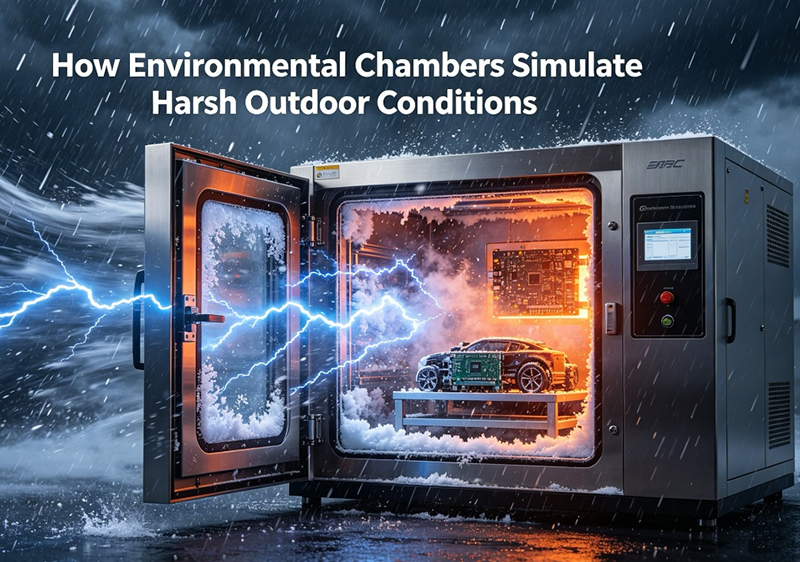
Modern electric vehicles operate in diverse climates, from -40°C cold-soak conditions to 85°C underhood temperatures. Replicating these extremes in a controlled Umweltprüfkammer requires precision and repeatability. Here are the most pressing challenges engineers face today:
- Wide temperature swings & thermal shock: Lithium-ion cells and power electronics can degrade rapidly under rapid temperature transitions. Sudden thermal cycling causes material stress, solder joint fatigue, and capacity fade — all hard to detect without realistic chamber profiles.
- Humidity penetration & corrosion: Moisture infiltrates connectors, battery enclosures, and high-voltage harnesses. Combined humidity and temperature cycling often reveals failures that single-stress tests miss, making Klimakammer accuracy non-negotiable.
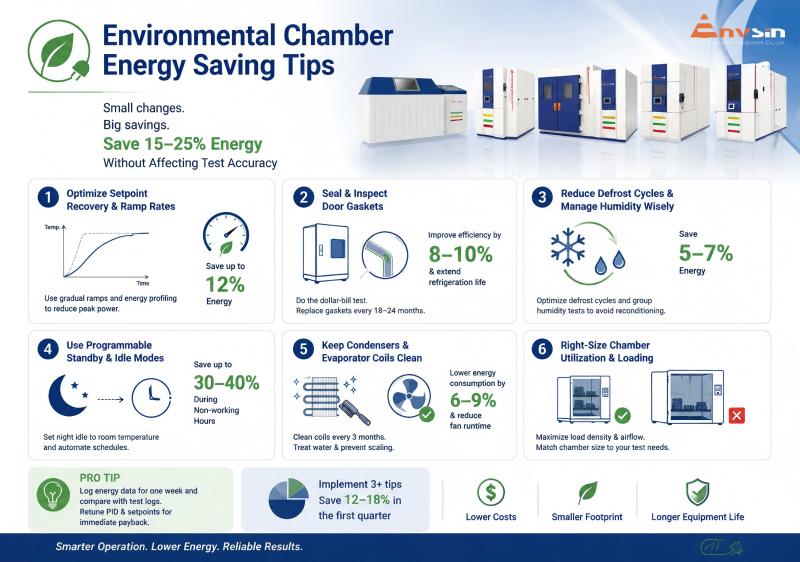
- Energy consumption & test uniformity: Large battery packs require spacious chambers with stable airflow. Poor uniformity leads to hot spots, invalidating test results. Additionally, running weeks-long Temperaturwechselbeanspruchung sequences can become energy-intensive without efficient equipment.
Best Practices for Reliable EV Component Validation
Leading EV manufacturers and Tier-1 suppliers follow standardized protocols while adopting smarter test methodologies. Integrating the right Umweltprüfkammer and process controls turns validation from a bottleneck into a competitive advantage.
- Adopt global standards early: Align test plans with ISO 16750-4, LV124, or SAE J2380. These standards define realistic stress levels, dwell times, and transition rates for EV batteries, modules, and control units.
- Use high-performance test chambers with fast ramp rates: Choose equipment that achieves ≥4°C/min transitions while maintaining uniformity within ±0.5°C. Envsin environmental test chambers are purpose-built for EV applications, delivering programmable thermal and humidity profiles that replicate real-world extremes, from rapid cold snaps to desert heatwaves.
- Implement real-time data logging & telemetry: Monitor insulation resistance, cell voltage, and internal temperature throughout the test. Anomalies spotted early allow root-cause analysis without destroying samples.
- Combine vibration with climate stresses (multi-axis approach): While not all labs have this, for high-risk components, pre-condition with thermal cycling before mechanical shock — this mirrors real on-road aging.
- Plan for scalability & modular testing: As battery architectures evolve from 400V to 800V systems, your test infrastructure must adapt. Modular climatic chambers from Envsin allow flexible sizing for full packs or individual modules, reducing setup time and energy waste.
Why Environmental Testing Makes or Break EV Reliability
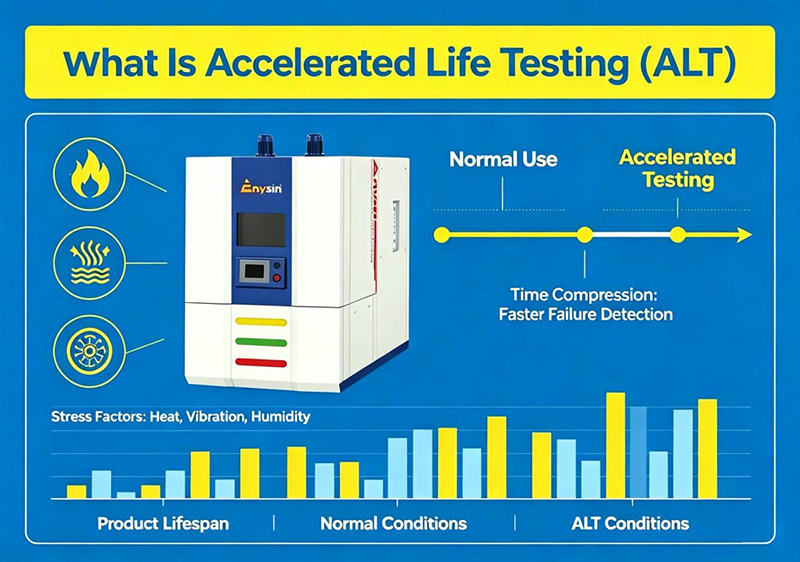
Field data shows that most EV warranty claims originate from thermal management and moisture-related issues. Rigorous Umweltprüfung — including thermal shock, humidity cycling, and extended durability runs — reduces failure rates by over 40% during early production phases. Engineers who invest in precise temperature/humidity control and robust test plans not only improve safety but also accelerate time-to-market.
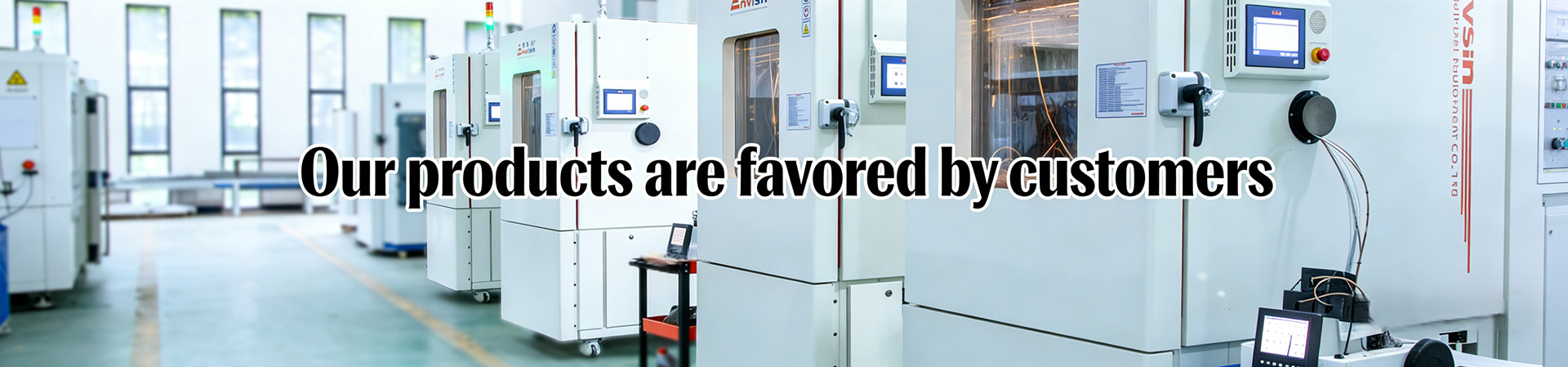
Partnering with an experienced test chamber manufacturer ensures you avoid common pitfalls like condensation drips, unstable ramp curves, or inadequate cooling capacity. With over a decade of innovation, Envsin provides energy-efficient, dependable Umweltprüfkammern tailored for EV components — from battery cells to full powertrain assemblies. Each chamber supports custom programming, remote monitoring, and compliance with major automotive standards.
Effective environmental testing isn’t about ticking boxes; it’s about building trust in every vehicle that leaves the factory. By tackling thermal extremes, humidity ingress, and test repeatability head-on — and following best practices like combined stress profiles and real-time data tracking — EV manufacturers deliver robust, market-ready products. Ready to upgrade your validation workflow? Explore Envsin’s engineered solutions at www.envsin-testchamber.com and request a tailored consultation for your next EV project.