





If you’ve ever stared at two environmental test chambers and wondered why one costs nearly double the other, you’re not alone. Choosing the wrong type doesn’t just hurt your budget—it can let hidden product defects slip into the field. The real distinction lies in understanding the ESS chambers vs. standard environmental chambers debate. And that difference might be the most underrated factor in modern reliability engineering.
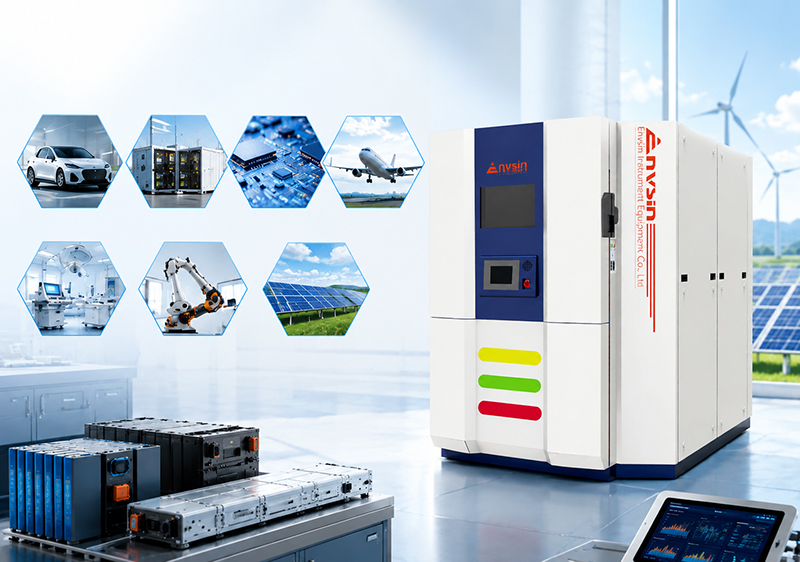
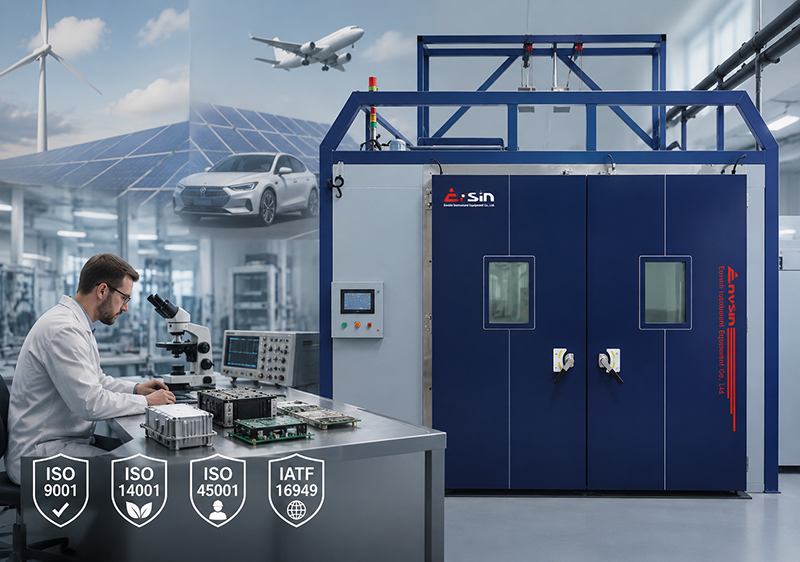
Eine ESS chamber (Environmental Stress Screening chamber) is built to push electronics and components to their early failure point—on purpose. Using rapid temperature change rates (often 15℃ per minute or faster) and optional vibration, these chambers aggressively expose latent defects like solder cracks, weak bonds, or thermal mismatch failures. In a production environment, ESS chambers act like a high-speed magnifying glass: they uncover flaws within hours that might otherwise take months to appear in real life. Without proper stress screening, manufacturers risk recalls, warranty claims, and reputation damage.
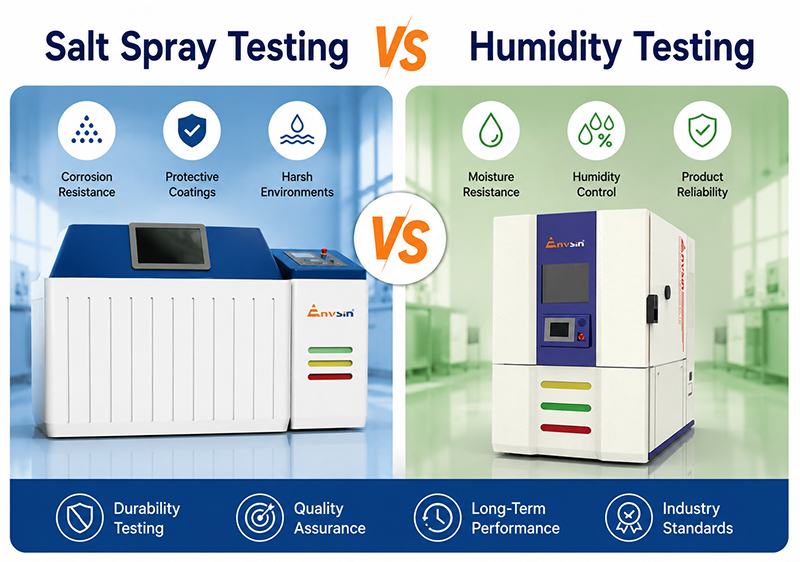
On the other side, standard environmental chambers focus on realistic simulation. They replicate humidity, altitude, steady-state temperature, or climatic cycles at moderate rates — usually 1℃to 3℃ per minute. Think of them as a “climate replicator” rather than a “defect accelerator”. These chambers are ideal for compliance testing (IEC, MIL‑STD, ISO), product development validation, and long-term stability runs. However, while a standard environmental chamber tells you how your product behaves under normal or extreme conditions over time, it won’t effectively shake out infant mortality failures the way an ESS chamber does.
Let’s break down the core differences. First, temperature change rate: ESS chambers prioritize speed and thermal shock profiles; standard chambers prioritize wide, stable ranges. Second, test intensity: ESS systems often combine multi-axis vibration and rapid transitions, while standard Umweltprüfkammern run smoother, less aggressive profiles. Third, application focus: ESS is for production screening and root-cause detection; standard chambers are for design verification and regulatory testing. Practically, a power electronics manufacturer will need an ESS chamber to weed out early failures, whereas a packaging lab might only require a standard temperature/humidity chamber for ISTA tests. And yes, cost reflects complexity—an ESS chamber typically demands heavier compressors, advanced controllers, and robust insulation.
So, which one does your lab actually need? The smartest reliability strategy doesn’t pick one over the other—it leverages both. Leading providers like Envsin (www.envsin-testchamber.com) engineer complete portfolios that include both ESS chambers und standard environmental chambers, helping engineers match the exact tool to each stage of product life. Whether you’re stress screening thousands of automotive ECUs or validating a medical device under tropical conditions, knowing the difference between ESS chambers und standard environmental chambers saves time, cost, and field failures. Make an informed decision, and your reliability data will thank you.