





Stellen Sie sich vor, Ihre Thermoschock-Prüfkammer würde mitten in einer kritischen Produktvalidierung ausfallen - oder schlimmer noch, ein Techniker würde sich verletzen, weil eine einfache Sicherheitsüberprüfung übersehen wurde. Bei der ordnungsgemäßen Wartung geht es nicht nur um die Leistung, sondern auch um den Schutz von Personen, die Wahrung der Datenintegrität und die Vermeidung kostspieliger Ausfallzeiten. In diesem Leitfaden erfahren Sie genau, wie Sie eine Thermoschock-Prüfkammer sicher warten können, und zwar nach bewährten Verfahren, auf die sich Branchenexperten und das Ingenieurteam von Envsin verlassen.
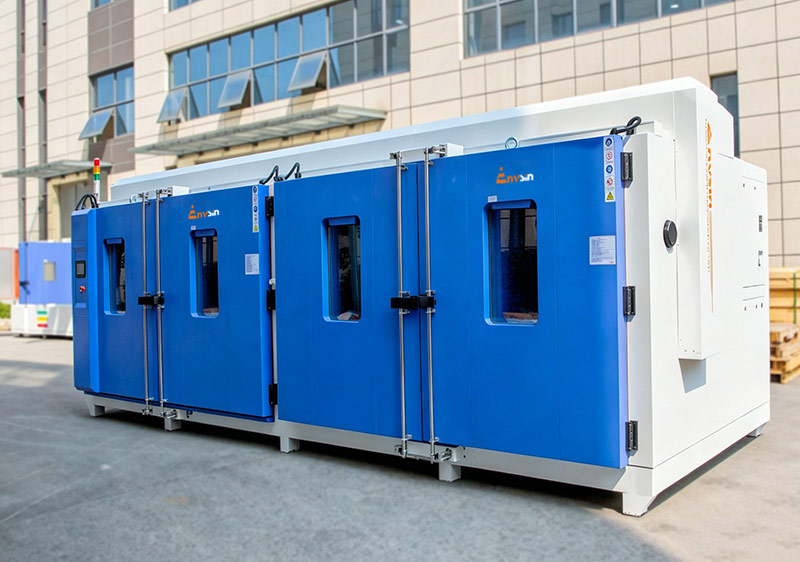
Thermoschock-Prüfkammern gehören zu den leistungsfähigsten Werkzeugen für Zuverlässigkeitsprüfungen, da sie Bauteile schnellen Temperaturwechseln zwischen extrem heißen und kalten Umgebungen aussetzen. Doch mit großer Leistung kommt auch große Verantwortung: Unsichere Wartungsroutinen können zu Fehlfunktionen der Kammer, ungenauen Prüfzyklen oder ernsthaften Gefahren am Arbeitsplatz führen. Ob Sie eine Zwei- oder Dreizonenanlage betreiben Thermoschock-Prüfkammer, Ein systematischer und sicherheitsorientierter Ansatz verlängert die Lebensdauer der Geräte, gewährleistet die Wiederholbarkeit der Tests und sorgt dafür, dass Ihr Labor den internationalen Sicherheitsstandards entspricht.
1. Warum sichere Wartung wichtiger ist, als Sie denken
Ungeplante Ausfälle von Kammern kosten die Hersteller jedes Jahr Tausende von Euro für Produktivitätsverluste und Neukalibrierungen. Das verborgene Risiko ist jedoch die Sicherheit des Bedieners - Hochdruck-Kältesysteme, heiße Oberflächen (bis zu +200°C) und kryogene Temperaturen (bis zu -65°C) verlangen Respekt. Eine gut gewartete Thermoschock-Prüfkammer sorgt nicht nur für gleichmäßige thermische Zyklen, sondern minimiert auch elektrische Risiken, Kältemittellecks und mechanische Ausfälle. Envsin empfiehlt, die Sicherheit als Grundlage eines jeden präventiven Wartungsplans zu behandeln.
2. Sicherheitsvorkehrungen vor der Wartung
Bevor Sie ein Paneel öffnen oder die Kammer betreten, befolgen Sie immer diese nicht verhandelbaren Schritte, um Ihre Thermoschock-Prüfkammer sicher zu warten:
- Stromisolierung:Trennen Sie die Hauptstromversorgung und verriegeln Sie den Unterbrecher (LOTO - Lockout/Tagout). Dies verhindert ein versehentliches Einschalten während der Reinigung oder des Austauschs von Teilen.
- Abkühlungsphase:Lassen Sie die Kammer wieder auf Umgebungstemperatur kommen. Heiße oder kalte Oberflächen können schwere Verbrennungen oder Erfrierungen verursachen.
- Druckentlastung:Wenn das System pneumatische Antriebe oder unter Druck stehende Kältemittelleitungen verwendet, stellen Sie sicher, dass der Druck gemäß der Anleitung abgelassen wurde.
- Persönliche Schutzausrüstung (PSA):Tragen Sie isolierte Handschuhe, eine Schutzbrille und Schutzkleidung, insbesondere beim Umgang mit Heizelementen oder Verdampfern.
💡 Profi-Tipp von Envsin: Bewahren Sie eine laminierte Sicherheitscheckliste in der Nähe Ihrer Thermoschockprüfkammer auf. Eine 30-Sekunden-Überprüfung verhindert 99% von Wartungsunfällen.
3. Schritt-für-Schritt-Verfahren zur sicheren Wartung
Sobald die Kammer ausgeschaltet und thermisch stabil ist, sollten Sie die folgenden grundlegenden Aufgaben durchführen, um die Leistung und Sicherheit zu erhalten.
3.1 Inspektion und Reinigung des Kammerinneren
Staub, Ablagerungen und Rückstände können die Temperaturgleichmäßigkeit beeinträchtigen und sogar die Proben beschädigen. Verwenden Sie eine weiche Bürste und einen Staubsauger mit HEPA-Filter, um Partikel von den Innenwänden, Regalen und Luftkanälen zu entfernen. Vermeiden Sie scheuernde Werkzeuge, die die Edelstahloberflächen zerkratzen und zu Korrosion führen könnten. Verwenden Sie für klebrige Rückstände einen milden, nicht ätzenden Reiniger - niemals brennbare Lösungsmittel in der Nähe von elektrischen Fächern. Wischen Sie nach der Reinigung trocken, um Eisbildung während der folgenden Niedrigtemperaturzyklen zu vermeiden.
3.2 Überprüfung der Türdichtungen und Dichtungen
Türdichtungen sind entscheidend für die Aufrechterhaltung der thermischen Isolierung. Eine abgenutzte oder rissige Dichtung ermöglicht das Eindringen von Feuchtigkeit, Frostbildung und Temperaturschwankungen. Prüfen Sie die Silikon- oder Gummidichtungen monatlich auf Elastizität und Beschädigung. Führen Sie einen einfachen “Papiertest” durch: Schließen Sie die Tür auf einem dünnen Blatt Papier; wenn Sie es leicht herausziehen können, muss die Dichtung ausgetauscht werden. Thermoschock-Prüfkammer Die Effizienz hängt in hohem Maße von dichten Dichtungen ab - ersetzen Sie die Dichtungen sofort, wenn eine Verschlechterung festgestellt wird.
3.3 Untersuchung von Temperatursensoren und -reglern
Thermoelemente und RTD-Sensoren sind das Nervensystem Ihrer Kammer. Lose Verbindungen oder Sensorabweichungen führen zu falschen Messwerten und ruinieren die Prüfprofile. Stellen Sie sicher, dass die Sensorverkabelung sicher und frei von Oxidation ist. Verwenden Sie alle sechs Monate ein kalibriertes Referenzthermometer, um die Messwerte zu vergleichen. Wenn die Abweichungen ±0,5 °C überschreiten, sollten Sie eine professionelle Kalibrierung veranlassen. Envsin-Kammern verfügen über fortschrittliche PID-Regler mit Selbstdiagnose, aber regelmäßige Sichtkontrollen sind nach wie vor unerlässlich.
3.4 Wartung von Kälte- und Heizungsanlagen
Das Kühlaggregat (Kompressoren, Kondensatoren, Verdampfer) und die Heizelemente müssen sorgfältig überprüft werden. Reinigen Sie die Kondensatorspulen vierteljährlich, um Überhitzung und Hochdruckauslösungen zu vermeiden. Überprüfen Sie die Kältemittelleitungen auf Ölflecken (ein Zeichen für Leckagen). Prüfen Sie die Heizelemente auf sichtbare Schäden oder Kohlenstoffablagerungen. Nur qualifizierte HLK-Techniker sollte das Nachfüllen von Kältemittel oder die Reparatur von Kompressoren übernehmen - eine unsachgemäße Handhabung birgt Umwelt- und Sicherheitsrisiken.
3.5 Prüfung von Sicherheitsverriegelungen und Alarmen
Jeder moderne Thermoschock-Prüfschrank verfügt über Türverriegelungen, Übertemperaturschutz und akustische Alarme. Testen Sie diese Sicherheitsfunktionen monatlich: Öffnen Sie die Tür während eines laufenden Zyklus (sollte sofort stoppen), simulieren Sie mit dem Testmodus des Steuergeräts einen Übertemperaturzustand und überprüfen Sie, ob der Alarm korrekt ausgelöst wird. Eine defekte Verriegelung stellt eine ernsthafte Gefahr dar; reparieren Sie sie, bevor Sie den normalen Betrieb wieder aufnehmen.
4. Erstellung eines Zeitplans für die vorbeugende Wartung
Konsistenz ist der Schlüssel zum sicheren und zuverlässigen Betrieb der Kammer. Auf der Grundlage von Industrienormen (ASTM, IEC) und Envsin-Empfehlungen sollten Sie den folgenden Zeitplan einhalten:
- Täglich:Schnelle Sichtprüfung, Überprüfung auf ungewöhnliche Geräusche oder Gerüche, Bestätigung der Türschließung.
- Wöchentlich:Türdichtungen reinigen, verschüttete Flüssigkeiten entfernen, Lüftergitter auf Verstopfung prüfen.
- Monatlich:Vollständige Innenreinigung, Test der Sicherheitsverriegelungen, Überprüfung der Sensoranschlüsse.
- Vierteljährlich:Reinigung der Kondensatorspule, Festziehen der elektrischen Klemmen, Überprüfung des Kühlsystems (durch geschultes Personal).
- Jährlich:Professionelle Kalibrierung der Temperatursensoren, umfassende Sicherheitsüberprüfung und Austausch verschlissener Komponenten (Filter, Schütze).
Dokumentieren Sie alle Wartungsmaßnahmen in einem Logbuch. Nachvollziehbare Aufzeichnungen helfen, wiederkehrende Probleme zu erkennen und unterstützen die Auditbereitschaft.