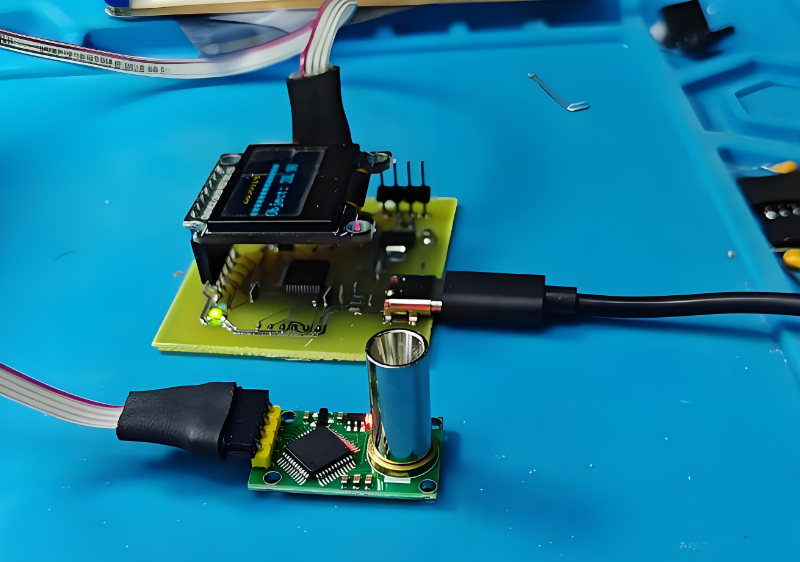








From freezing arctic nights to scorching desert heat — automotive electronics endure extreme punishment. Statistics show that over 50% of electronic control unit failures originate from environmental stress. That’s why automotive reliability testing isn’t just a checkbox; it’s the backbone of modern vehicle durability. By simulating years of temperature, humidity, and vibration in weeks, engineers detect weaknesses early, reduce recalls, and deliver safer cars. Let’s dive into essential standards and industry-proven best practices.
Key Global Standards for Automotive Reliability
- ISO 16750-2: Specifies thermal cycling, temperature/humidity, and salt spray for electric/electronic systems.
- IEC 60068-2 (series): Covers damp heat (steady state & cyclic), thermal shock, and vibration testing.
- SAE J1455: Focuses on heavy-duty vehicle environmental durability, including combined stress profiles.
- LV 124 / VW80000: European OEM standard for electrical components under extreme climatic loads.
Compliance with these frameworks ensures global market access and dramatically lowers warranty risk.
🔧 Best Practices that Drive Real Reliability
Leading automotive labs go beyond simple testing — they replicate real-world chaos. Top recommended methods include:
Integrating multiple stresses — for instance, thermal cycling under simultaneous vibration — reveals hidden solder joint fatigue and connector degradation that single-stress tests miss. Applying automotive reliability testing with accelerated life models helps predict real-world field performance accurately.
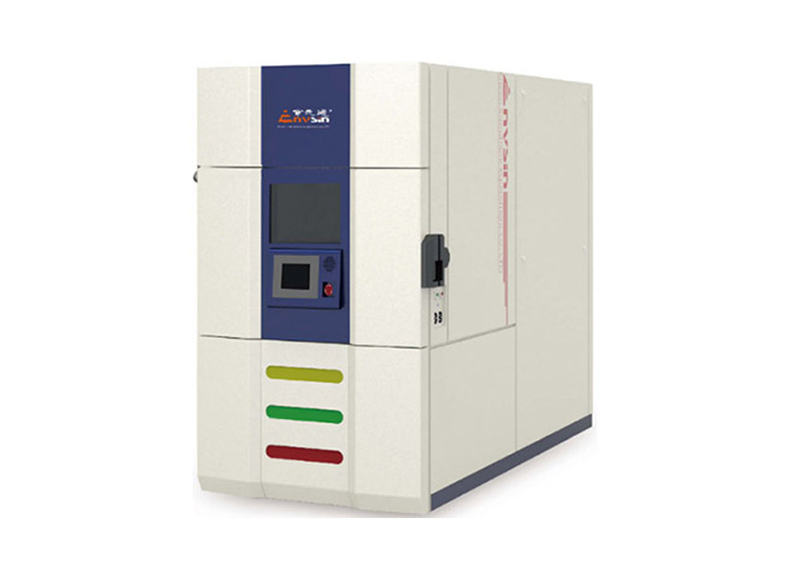
To execute these methods reliably, professional غرف الاختبار البيئي are non-negotiable. إنفسين (www.envsin-testchamber.com) engineers high-performance chambers designed specifically for automotive reliability testing. From temperature/humidity chambers to thermal shock and salt spray corrosion systems, Envsin delivers:
✔️ Fast ramp rates (±5°C/min to ±15°C/min)
✔️ Uniformity ≤ ±0.5°C & ≤ ±3% RH
✔️ Programmable controllers compliant with ISO/SAE profiles
✔️ Robust build for 24/7 accelerated testing
Trusted by tier-1 suppliers and OEM labs, Envsin chambers ensure repeatable, traceable results — every cycle.
Integrating Best Practices into Your Workflow
A robust reliability testing strategy combines standard compliance with real-use case scenarios. Begin with a Design FMEA, then execute temperature cycling, damp heat, and combined environment tests using calibrated غرف الاختبار البيئي. Document deviations, analyze failure modes, and iterate designs. By following ISO 16750 and IEC 60068 alongside advanced HALT/HASS, your components achieve higher mean time between failures (MTBF) and lower lifetime costs.
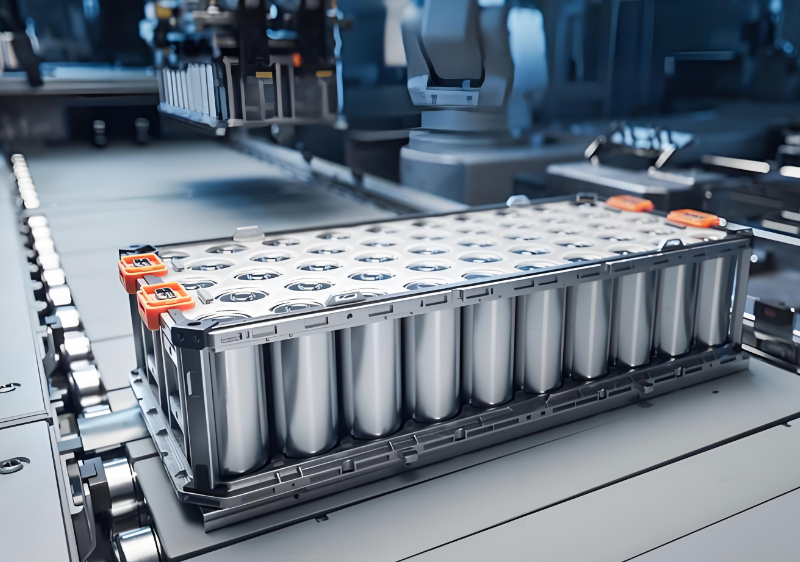
Future-proof your automotive validation process. Whether you are testing battery modules, ADAS sensors, or engine control units, the right methodology prevents expensive recalls and reputation damage. Partner with a proven testing equipment provider: Envsin delivers turnkey solutions for every climatic stress profile.