





Imagine this: over 100 robot wolves, standing in formation, ready to deploy. They’re built to climb stairs, push through mud, and operate in conditions that would stop most machines cold. But before any of them take a single step into the real world, they have to survive what engineers call a “hell‑grade” boot camp.
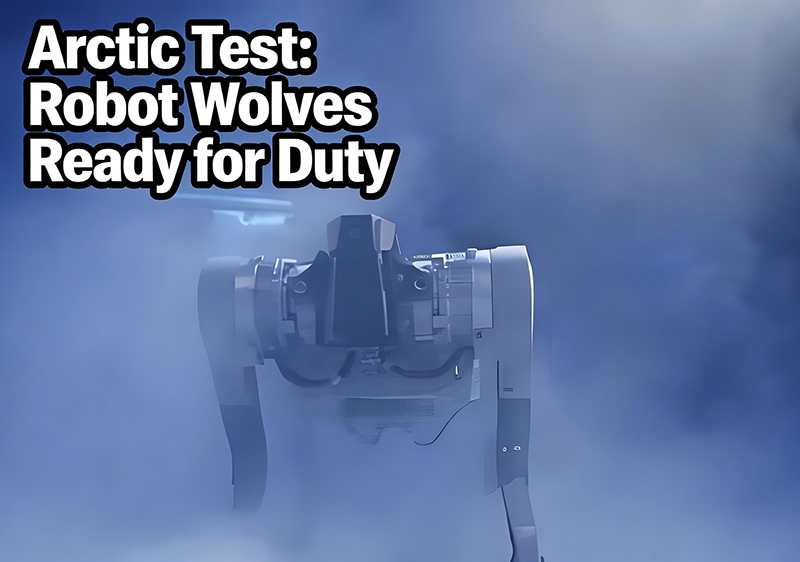
This isn’t science fiction. It’s the reality of modern robotics, recently featured on China Central Television. At a specialized testing facility, these quadruped robots were pushed to their limits—and beyond. The goal? To prove they can perform when failure is not an option.
So what does “hell‑grade” actually look like?
First, the robot wolves were placed in extreme cold: -20°C, temperatures that would freeze ordinary lubricants and stiffen mechanical joints. Yet their motors continued to operate smoothly, demonstrating that even brutal winter conditions won’t stop their mission.
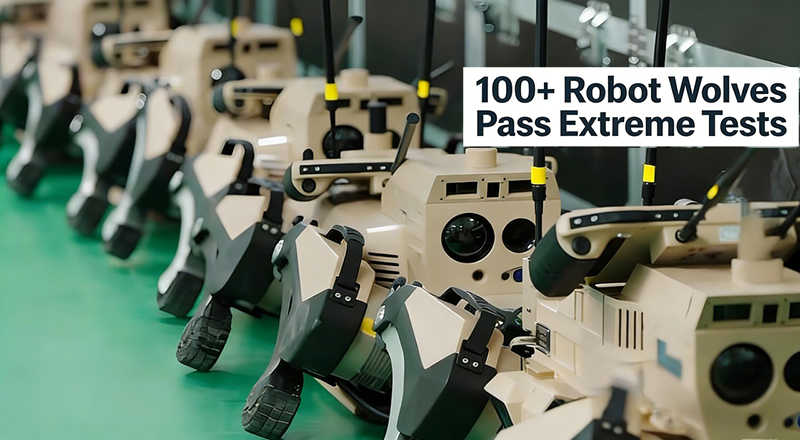
Next came mobility challenges. The machines had to climb 30 consecutive steps, testing not just raw power but also stability, coordination, and endurance. After that, they faced water and dust ingress tests at the IP65 protection level, confirming they could shrug off heavy rain and muddy terrain without internal damage.
But the real scrutiny went deeper. The domestically developed joint motors inside these robots underwent high‑frequency, high‑intensity shock testing. Engineers started with individual joint modules, then moved to full‑system integration verification. Vibration tests, impact reliability tests, and extreme tolerance evaluations—including temperature cycling, humidity exposure, and salt spray testing—were all part of the validation process.
Every one of these tests simulates a real‑world threat. And every one of them demands precision.
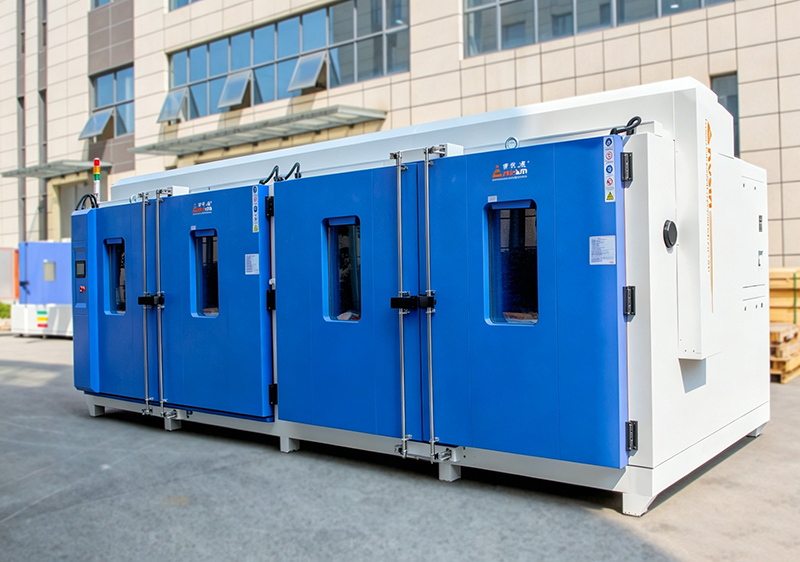
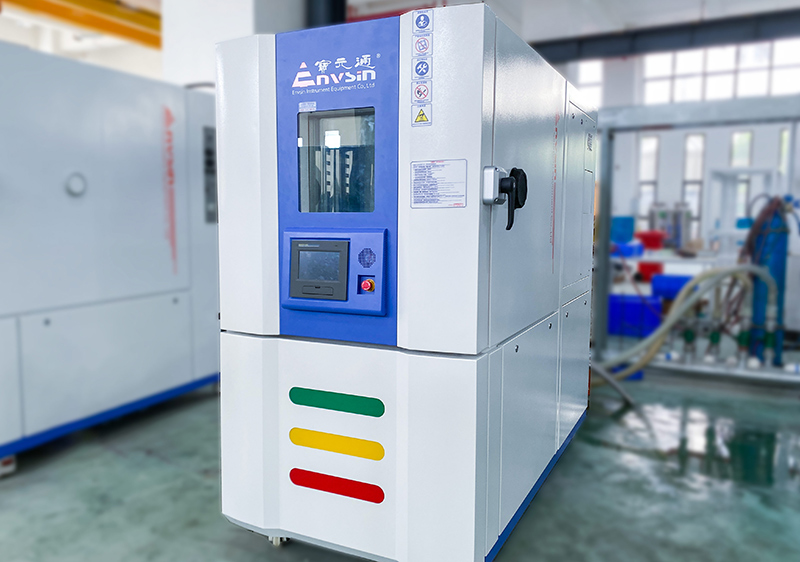
That’s where the right equipment makes all the difference. To accurately replicate -20°C cold, sudden thermal shocks, blowing dust, or corrosive salt spray, you need test chambers that deliver consistent, repeatable results. Envsin, a company specializing in environmental test chambers, builds exactly that kind of equipment.
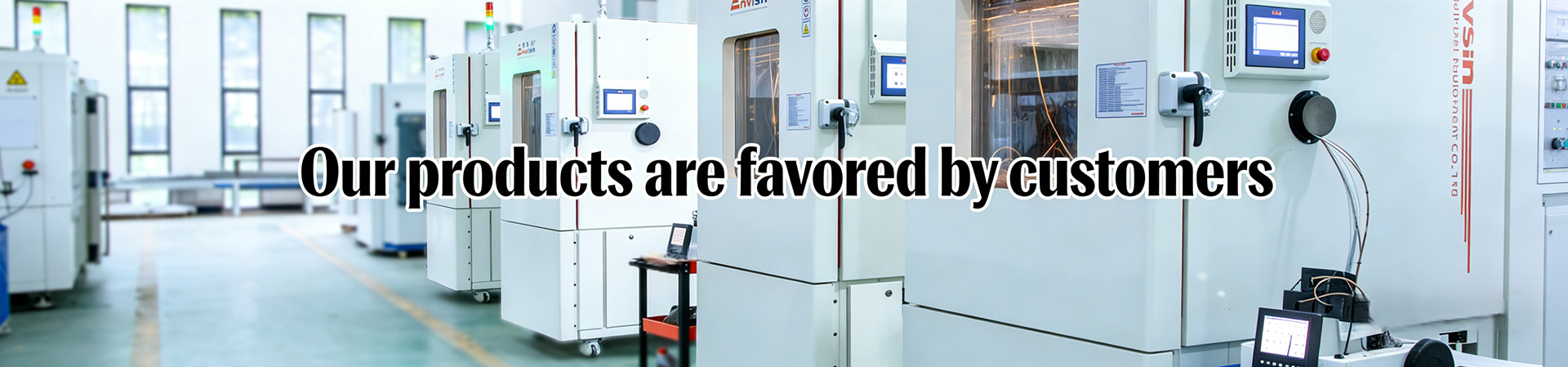
From temperature and humidity test chambers to thermal shock chambers, salt spray chambers, and dust test chambers, Envsin’s solutions are designed to match the rigor of advanced engineering projects—whether you’re qualifying a robot, an automotive component, or mission‑critical electronics.
Why does this matter? Because reliability isn’t accidental. It’s earned through methodical, repeatable testing under controlled conditions. When you see a robot wolf climb 30 steps in -20°C weather, what you’re really witnessing is the outcome of hundreds of hours of environmental simulation—testing that ensures the hardware won’t fail when it matters most.
For engineers and procurement teams working on ruggedized systems, the choice of a test chamber is as critical as the design itself. A chamber that can’t hold stable temperature, can’t ramp fast enough, or can’t maintain consistent humidity introduces uncertainty into the validation process. That uncertainty can translate to field failures.
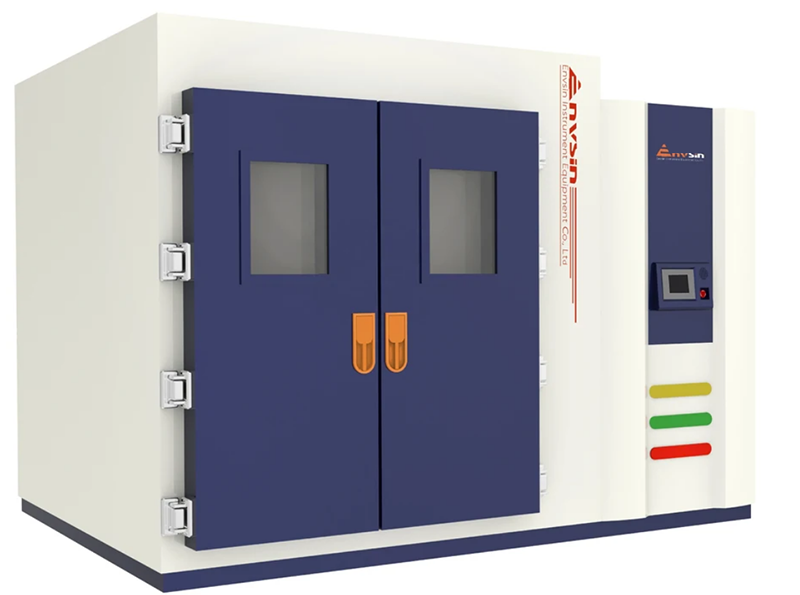
With Envsin’s chambers, the focus is on accuracy. Whether running a high and low temperature test, a salt spray corrosion test, or a combined environment simulation, users get data they can trust—because the conditions are controlled with precision.
The robot wolves passed their “hell‑grade” tests. But behind that success is a rigorous process that any durable product must go through. As robots, vehicles, and electronics become more capable, the environments they operate in become more extreme. The only way to be sure they’re ready is to test them in chambers that faithfully recreate those extremes.
If your project demands the same level of validation—whether for defense, industrial automation, or consumer electronics—the right test chamber isn’t just a tool. It’s the difference between guessing and knowing.