





A medical device may look perfect on the production floor, but the real test begins after it leaves the factory. It may sit in a hot delivery truck, move through a humid warehouse, operate in a cold clinic, or face repeated temperature changes during daily use. For a patient monitor, diagnostic instrument, wearable sensor, infusion pump, or surgical accessory, a small failure can quickly become a serious safety issue. This is why environmental testing is not just a technical step. It is a practical safeguard for performance, compliance, and patient trust.
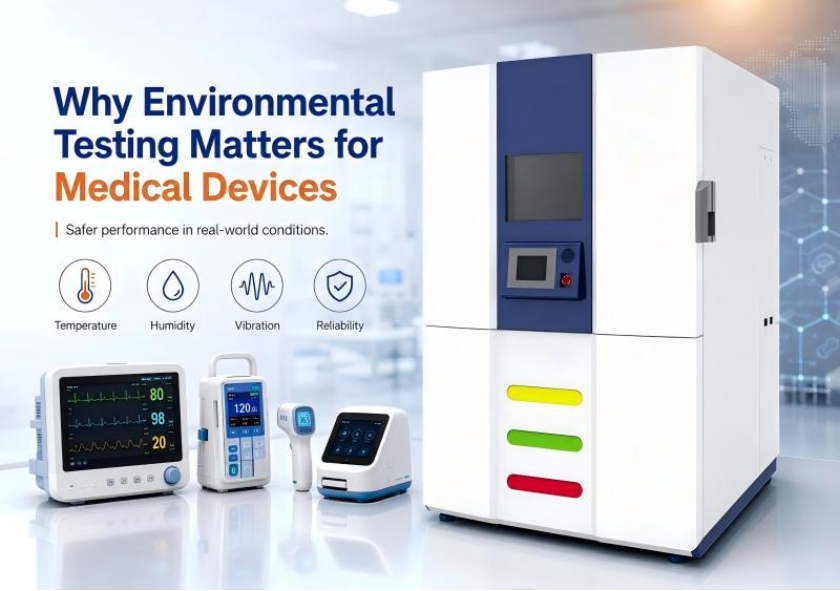
Medical Devices Face Real World Stress
Medical devices are expected to work reliably in conditions that are rarely ideal. Materials expand and contract. Batteries lose efficiency in cold environments. Plastic housings may become brittle under thermal stress. Electronic components can react to humidity, condensation, dust, or rapid temperature cycling. Environmental testing helps manufacturers discover these weaknesses before products reach hospitals, laboratories, and home care settings.
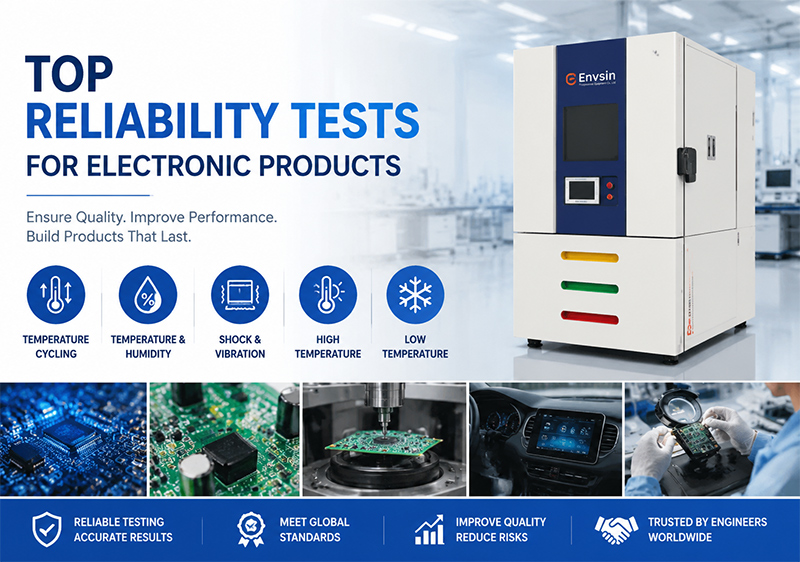
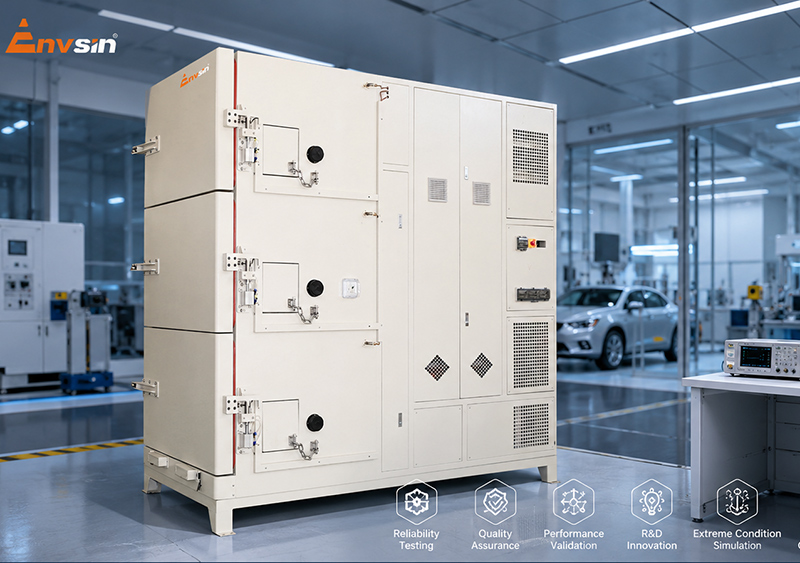
A well designed environmental test chamber recreates real world stresses in a controlled and repeatable way. Instead of waiting months to see how a device behaves in storage or transport, engineers can simulate heat, cold, humidity, and temperature transitions within a defined test program. This makes medical device testing faster, more consistent, and easier to document. It also gives quality teams clear evidence when they need to verify design changes, material choices, or packaging performance.
What Environmental Test Chambers Reveal
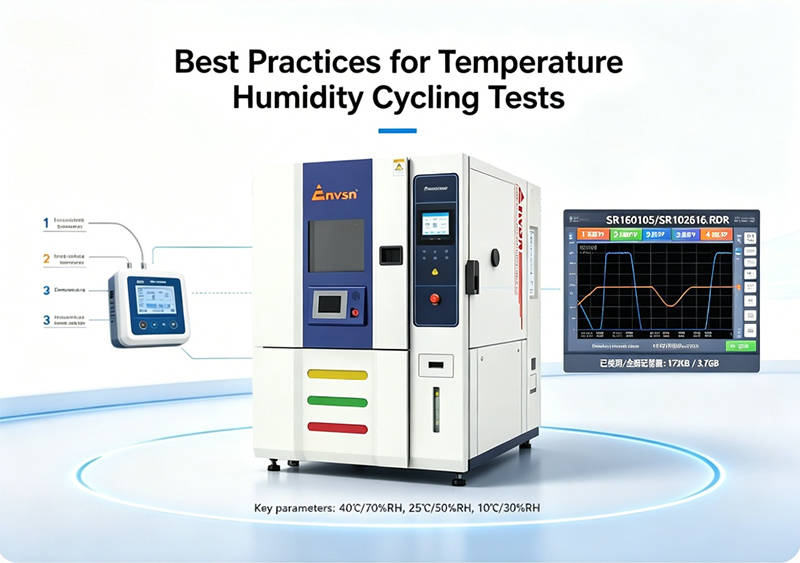
Temperature and humidity are among the most important conditions for medical devices. A камера для испытаний на температуру и влажность can show whether a product remains stable after exposure to high heat, low temperature, or long periods of moisture. This is especially important for devices that include circuit boards, sensors, displays, seals, adhesives, or sterile packaging. Even when a device still powers on, environmental testing may reveal drift, corrosion, seal failure, screen fogging, or reduced measurement accuracy.
Transportation is another reason environmental testing matters. Medical devices often travel across countries and climates before they reach the end user. During shipment, a product may experience vibration, thermal shock, and storage conditions that are very different from the controlled environment of a factory. By using environmental testing equipment early in product development, manufacturers can improve packaging, reduce returns, and lower the risk of field failures.
Why Testing Supports Compliance and Risk Control
For regulatory and quality systems, environmental testing also supports stronger documentation. Medical device manufacturers need objective evidence that their products are safe, stable, and fit for their intended use. Test reports from a climatic test chamber can become part of design verification, validation, risk management, and quality control records. This does not replace a complete compliance strategy, but it gives engineering and quality teams data they can use with confidence.
The value of environmental testing is even greater as medical devices become smaller, smarter, and more connected. Wearable health products, portable diagnostic tools, and connected monitoring systems often combine compact electronics with sensitive software and batteries. These products may be used by patients outside traditional clinical environments, where temperature and humidity are harder to control. Reliability testing in an environmental test chamber helps confirm that performance remains consistent when the device is used in real life, not only in a laboratory.
Choosing the Right Test Chamber Partner
Choosing the right test chamber is therefore a strategic decision. Medical device testing requires accuracy, stability, uniformity, and dependable control. A chamber should provide precise temperature and humidity performance, easy operation, reliable safety protection, and data recording that supports traceability. For many manufacturers, a trusted test chamber supplier can also help select the correct chamber size, temperature range, humidity range, cooling method, and control system for the application.
Environmental testing can also help reduce long term costs. Finding a weakness during development is far less expensive than handling recalls, warranty claims, delayed approvals, or customer complaints after launch. Reliable testing helps teams make better decisions before mass production begins. It supports product improvement, strengthens supplier qualification, and gives customers greater confidence in the finished device.
Another important benefit is consistency across product lines. When companies use clear test methods and qualified environmental testing equipment, they can compare results from different materials, batches, suppliers, and design versions. This makes it easier to identify trends and prevent small changes from becoming large quality problems. In a market where safety and reputation matter, that level of control is essential.
Work With Envsin
Environmental testing is not only about meeting a checklist. It is about understanding how a medical device behaves when the world around it changes. For manufacturers that want to deliver safer, more reliable, and more competitive products, the right environmental test chamber is a critical part of the development and quality process.
Envsin provides professional environmental test chamber solutions for medical device manufacturers, laboratories, and quality teams that need dependable testing performance. If you are planning environmental testing for medical devices or looking for a reliable temperature humidity test chamber, visit www.envsin-testchamber.com or contact Envsin to discuss the right testing solution for your product.