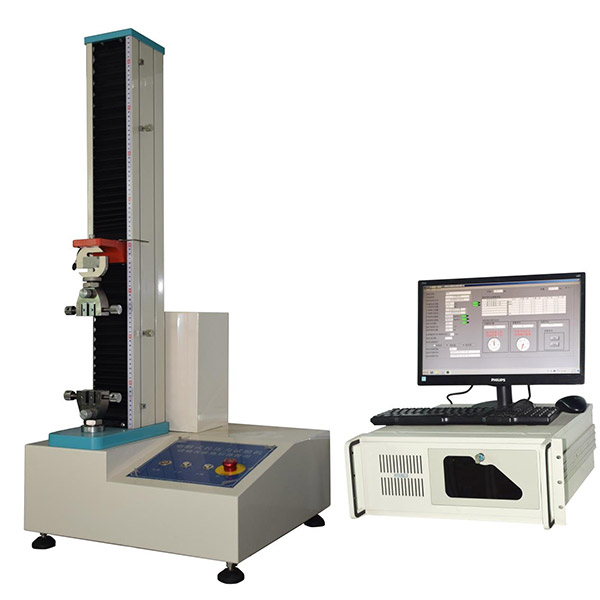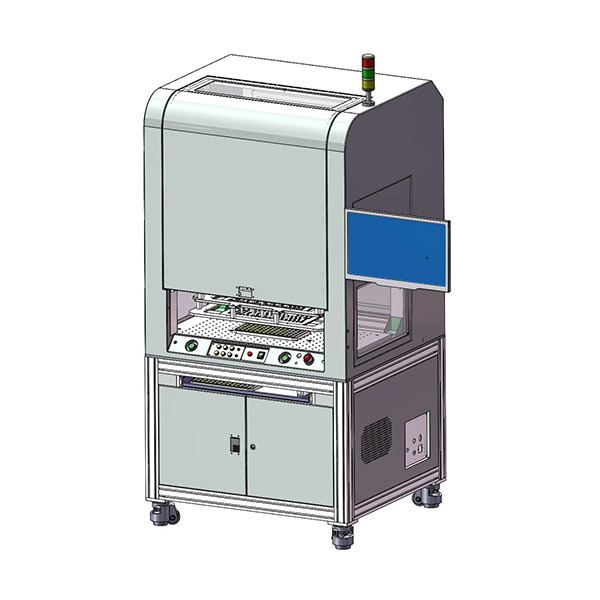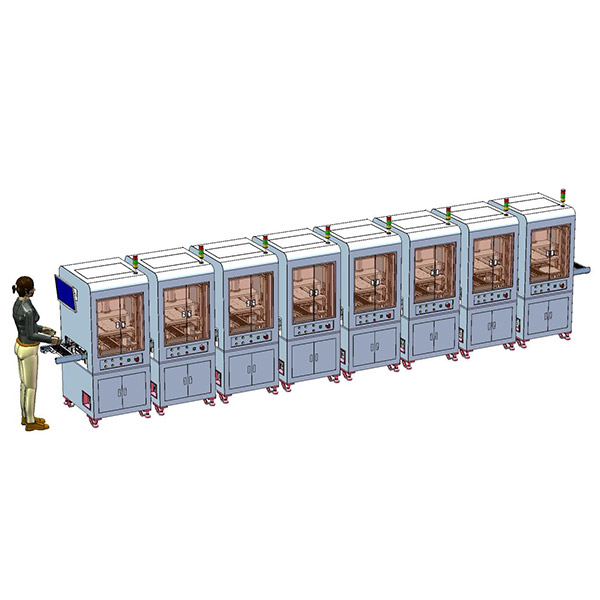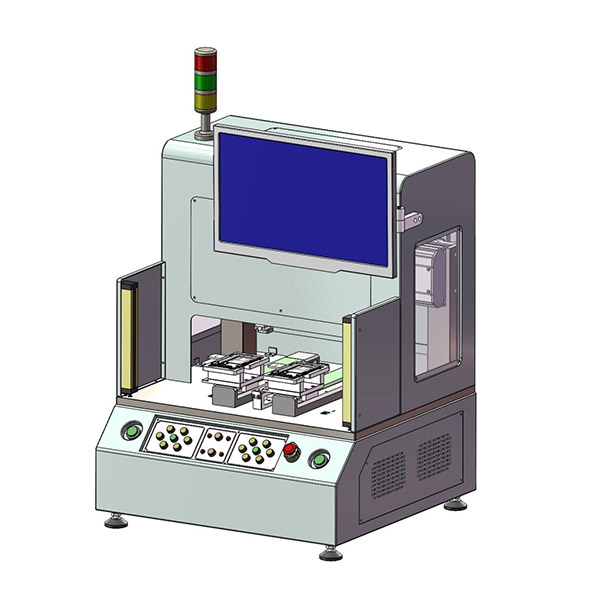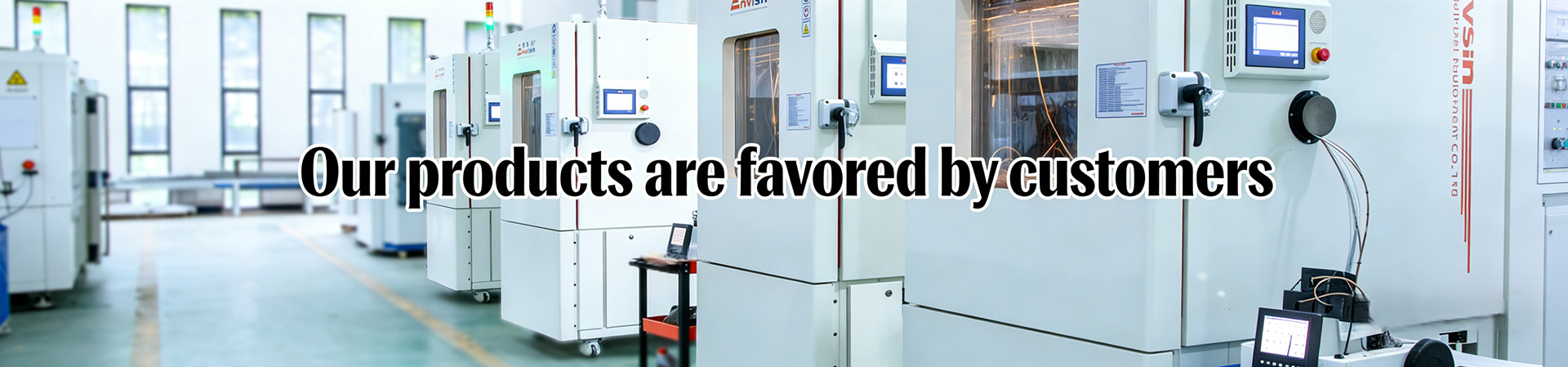
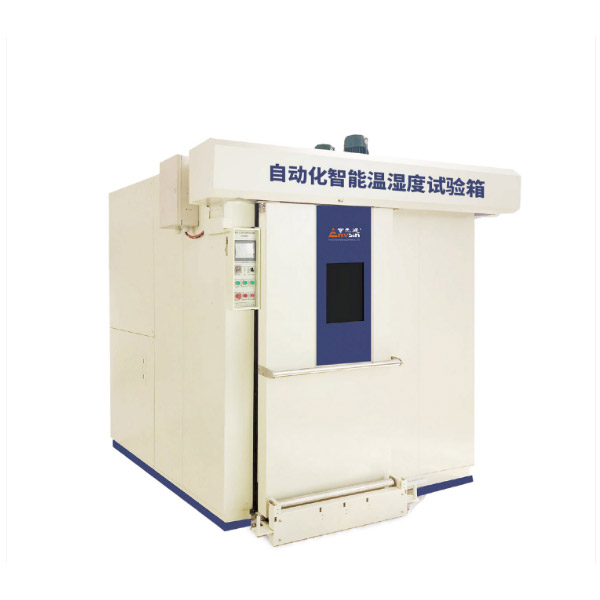
Automated intelligent temperature and humidity test chambers are used for batch, full-inspection of industrial finished products, semi-finished products, and components on industrial equipment production lines. The intelligent central control system, combined with special fixtures, enables automatic feeding, intelligent ESS operation, and full product monitoring throughout the testing process. Multiple intelligent terminals of temperature chambers are coordinated and interconnected with production lines, quality control centers, and warehouse management centers to form an intelligent testing platform and equipment.
Applications & Scenarios
1. Electronics and Electrical Appliances Industry
Component Testing: Evaluating the reliability and performance of electronic components under high temperature, low temperature, and humid conditions, such as resistors, capacitors, and semiconductor devices.
Complete Equipment Testing: Testing the operational status of complete equipment such as mobile phones, computers, and home appliances in different temperature and humidity environments to ensure their stability under extreme conditions.
2. Automotive Industry
Component Testing: Testing the durability and performance of automotive components (such as engines, electronic control systems, and dashboards) in high temperature, low temperature, and humid environments.
Vehicle Testing: Simulating vehicle performance tests under different climatic conditions to evaluate the vehicle’s start-up, operation, and parking performance in extreme environments.
3. Aerospace
Equipment Testing: Evaluating the reliability of aerospace equipment and materials (such as aircraft control systems and navigation equipment) in high temperature, low temperature, and humid environments.
Materials Testing: Testing the physical properties and chemical stability of special materials used in aerospace under different temperature and humidity conditions.
4. Pharmaceuticals and Biotechnology
Pharmaceutical Stability Testing: Evaluating the stability of pharmaceuticals under different temperature and humidity conditions to determine shelf life and storage conditions.
Biopharmaceutical Testing: Testing the efficacy and safety of biological products such as vaccines and serums under different environmental conditions.
5. Materials Science
Materials Durability Testing: Evaluating the durability and aging characteristics of metals, plastics, and composite materials in high-temperature, low-temperature, and humid environments.
Coating and Protective Material Testing: Testing the performance of anti-corrosion coatings, insulation materials, etc., in different environments.
6. Military and Defense Industry
Weaponry Equipment Testing: Evaluating the performance and reliability of weapon systems and protective equipment under extreme environmental conditions.
Military Electronic Equipment Testing: Testing the operational stability of military communication equipment, navigation systems, etc., in high-temperature, low-temperature, and humid environments.
7. New Energy
Solar Equipment Testing: Evaluating the efficiency and durability of solar panels and related equipment under different temperature and humidity conditions.
Energy Storage Equipment Testing: Testing the performance and safety of batteries and energy storage systems in high-temperature, low-temperature, and humid environments.
8. Architecture and Civil Engineering
Building Materials Testing: Evaluating the performance and durability of building materials (such as concrete, steel, insulation materials, etc.) under different environmental conditions.
Structural Testing: Simulating the behavior of building structures under extreme temperature and humidity conditions to ensure their stability and safety under various climatic conditions.
9. Food and Consumer Products
Food Shelf Life Testing: Evaluating the shelf life and quality changes of food and beverages under different temperature and humidity conditions.
Packaging Material Testing: Testing the performance of packaging materials in high and low temperature and humid and hot environments to ensure product safety during transportation and storage.
10. Academic Research
Environmental Simulation: Used in climate research, ecological environment research, and other fields to simulate different natural environmental conditions and study their impact on organisms and materials.
Basic Scientific Research: Simulating extreme environmental conditions for experiments and tests in basic scientific research such as physics and chemistry.