







Electric vehicles are no longer a niche market. But ask any battery engineer about their biggest headache, and they will point to one thing: unpredictable field failures caused by real-world weather. An EV that performs flawlessly in a San Diego garage may struggle in a Canadian winter or a humid Southeast Asian monsoon. The gap between lab predictions and on-road reality often comes down to how well components endure thermal shocks, moisture ingress, and vibration over time. That is why leading manufacturers rely on a precise 環境試験室 to uncover hidden weaknesses before mass production. Without accurate simulation, even the most promising battery pack or power module becomes a ticking warranty liability.
1. Thermal cycling: the silent stressor
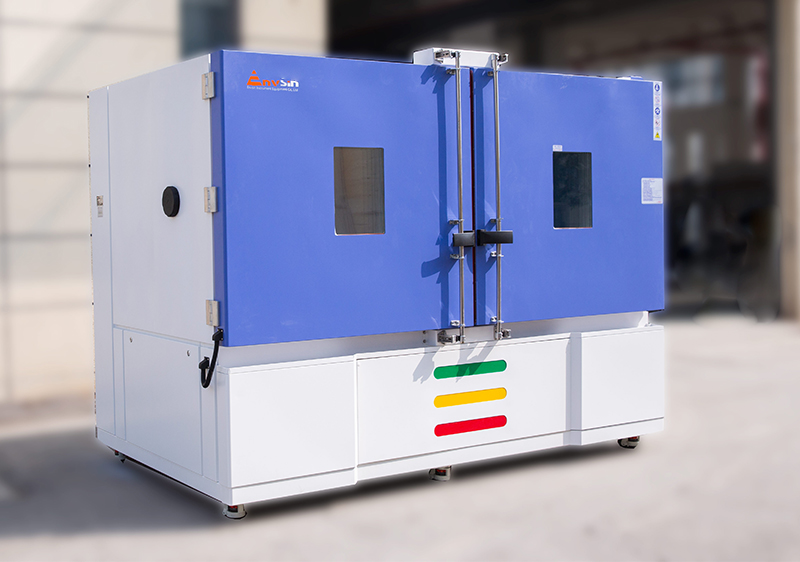
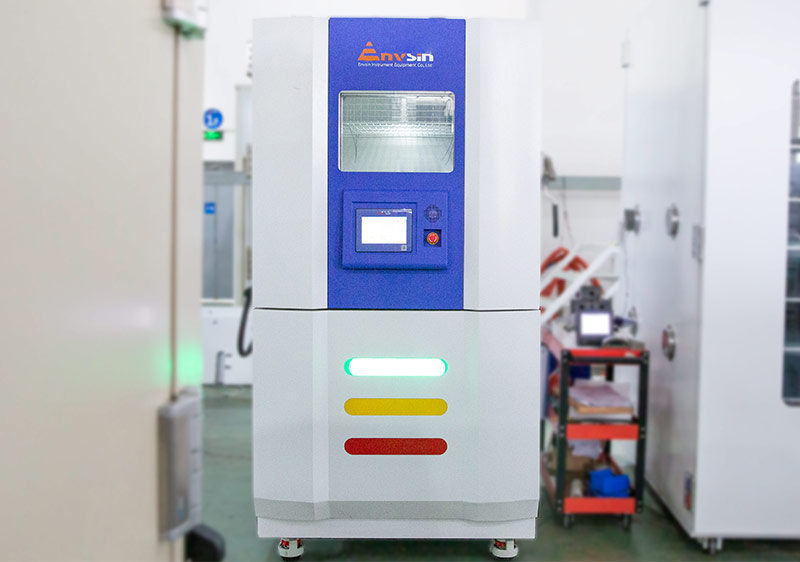
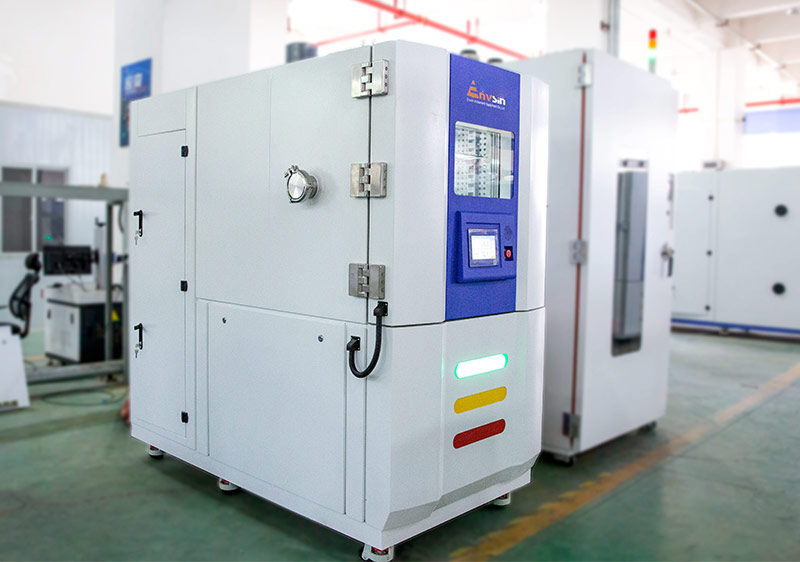
Modern EVs experience brutal temperature swings. A fast-charging session can push cells above 50°C, followed by a -20°C overnight soak. Repeating this cycle thousands of times causes microscopic cracks in solder joints, separators, and encapsulation materials. Standard thermal cycling tests range from -40°C to +85°C, but not all equipment delivers the necessary ramp rates or uniformity. A poorly calibrated 環境試験室 may hide early degradation, giving false confidence. In contrast, chambers with precise control replicate real drive patterns, helping engineers identify cell swelling or connector fatigue early. For EV programs chasing 500,000-mile durability, thermal validation is non-negotiable.
2. Humidity and corrosion threats
High relative humidity paired with condensation is a silent enemy of high-voltage electronics. Moisture that seeps into battery management system PCBs or high-voltage connectors can lead to parasitic leakage, insulation resistance drop, and even thermal events. To simulate coastal or rainy environments, testing standards demand steady 85% RH at 85°C, plus alternating humidity cycles. However, maintaining stable wet-bulb readings inside a chamber requires advanced control logic. Without a reliable 環境試験室, humidity overshoot or dry spots falsify results. Corrosion-related recalls remain costly; that is why EV suppliers insist on chambers that reproduce real-world climate with fidelity.
3. Multi-stress combined testing
Road conditions never isolate a single stressor. Vibration from potholes, temperature changes, and humidity act simultaneously. Progressive engineering labs now combine shaker tables with climatic chambers to run synchronized tests. For inverters, onboard chargers, and high-voltage distribution units, this approach exposes failure modes that sequential testing cannot replicate. For instance, a connector that passes vibration-only and humidity-only may fail when both stresses act together due to fretting corrosion. Integrating a versatile 環境試験室 with vibration capability provides data that directly correlates with fleet performance. More OEMs are adopting this methodology based on LV124 and ISO 16750-2 guidelines.
The gap between a mediocre battery and a market-leading one often narrows down to how thoroughly it was validated. Reproducible thermal shocks, precise humidity profiles, and combined stress tests demand chambers that perform consistently over years of use. That is where エンブシン steps in. With a full portfolio ranging from temperature/humidity chambers to thermal shock and walk-in solutions, Envsin helps EV engineers meet aggressive timelines while maintaining compliance with global standards. Whether you are testing battery cells, modules, or complete e-axles, the right chamber turns environmental testing from a bottleneck into a strategic advantage.
Key technical takeaways
- Thermal shock precision: choose chambers with fast transition rates and minimal overshoot to detect microcracks early.
- Humidity uniformity: avoid local condensation spots – advanced airflow design is critical for 85/85 tests.
- Multi-axis realism: combined vibration-climate testing reveals failure mechanisms that single-stress profiles miss.
- Partner with expertise: reliable equipment from エンブシン (www.envsin-testchamber.com) offers tailored solutions for EV components, from sensors to full battery packs.
The EV industry is moving toward 800V architectures, solid-state concepts, and extreme fast charging. Each innovation introduces new thermal and humidity vulnerabilities. Manufacturing teams that embed robust environmental validation into their design cycle cut warranty costs and boost consumer trust. Simulating harsh conditions with a quality 環境試験室 isn’t just a compliance step; it is an engineering edge. As testing standards become stricter, investing in accurate, repeatable chambers pays off in fewer field failures and faster market entry.