





Choosing the right partner for environmental test chambers is more than comparing price tags. A poorly selected chamber leads to test inconsistencies, frequent breakdowns, and compliance failures that cost months of R&D work. Whether you need a temperature cycling chamber for battery validation or a thermal shock chamber for semiconductor reliability, the supplier you pick directly affects your product’s time to market. So how do you separate reliable manufacturers from those that overpromise? Let’s walk through the key criteria that procurement and engineering teams should evaluate before signing any purchase order.

1. Technical Specifications and Real Performance
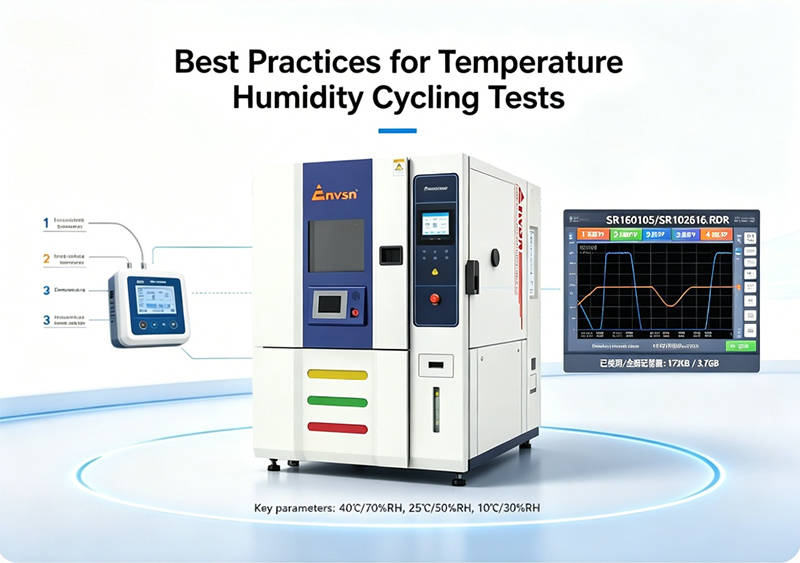
The first filter is always technical capability. A reputable environmental test chamber supplier provides detailed specs on temperature range, ramp rates, uniformity, and recovery time. Don’t stop at the brochure: ask for factory test reports or third-party calibration certificates. For example, a high-quality temperature humidity chamber should maintain ±0.5°C stability and ±2°C uniformity across the workspace. When comparing environmental chamber suppliers, insist on witnessing real performance data, not just theoretical numbers. A trustworthy partner will gladly share validation results from models similar to your application.
2. Compliance with International Standards
Your testing must meet standards like IEC 60068-2, MIL-STD-810, or RTCA DO-160. A competent environmental chamber supplier designs equipment to match these protocols out of the box. Ask whether their chambers have been independently verified for temperature cycling and thermal shock profiles. Compliance isn’t just a feature; it’s non-negotiable for regulated industries. Suppliers who ignore standards often leave you retrofitting chambers or redoing tests. Always request a compliance matrix that maps each chamber capability to the clauses of your required standards.
3. Build Quality and Durability
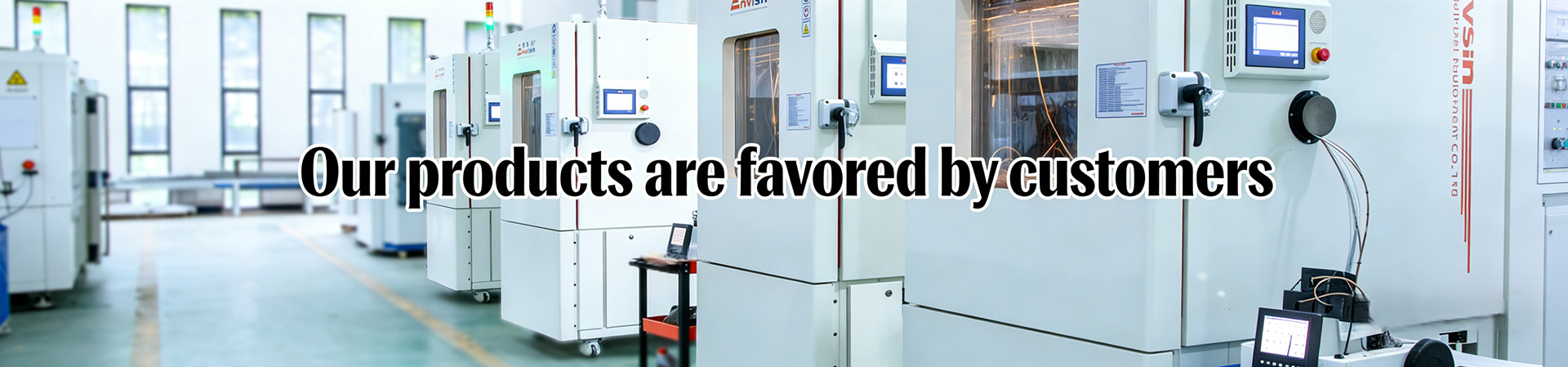
Environmental test chambers run for days or weeks under harsh conditions. Check the construction: stainless steel interior, high-density insulation, and corrosion-resistant hardware. Also evaluate the refrigeration system — single-stage vs cascade, type of compressor, and refrigerant. A robust thermal shock chamber uses reliable components that withstand thousands of cycles. During supplier comparison, ask about mean time between failures (MTBF) and warranty terms. Long warranties often reflect confidence in build quality. Visit the factory if possible, or request a virtual tour to see assembly processes.
4. After-Sales Support and Local Service
Even the best environmental test chamber needs calibration, maintenance, and occasional repair. Compare suppliers based on response time, spare parts availability, and technical support language. A supplier with a local service partner or regional office saves you weeks of downtime. Envsin, for instance, offers global remote troubleshooting and on-site calibration within agreed SLAs. Before committing, contact their support line with a technical question — their responsiveness reveals a lot. Also verify training options: proper operation and preventive maintenance extend chamber life significantly.
5. Customization and Application Expertise
Off-the-shelf chambers may not fit unique test requirements. Top-tier environmental chamber suppliers offer modifications like custom port sizes, enhanced data logging, or special fixtures. Evaluate whether the supplier has experience in your industry — automotive, aerospace, electronics, or battery testing. Ask for case studies or references from similar applications. A supplier who understands your failure modes will suggest better test profiles and chamber configurations, saving you from expensive mistakes.
6. Price vs Total Cost of Ownership
Low upfront cost often hides high energy consumption, frequent repairs, and poor resale value. Compare total cost of ownership over five to ten years: energy efficiency, calibration frequency, and expected maintenance intervals. An energy-efficient temperature cycling chamber may cost 20% more initially but pay back within two years through lower electricity bills. Ask suppliers for typical power draw under standard cycles and request references from long-term users. A transparent supplier shares this data openly.
7. Reputation and Customer Feedback
Online reviews, industry forums, and peer recommendations provide unfiltered insights. Search for the supplier’s name along with keywords like “reliability” or “service delay.” Also check their social media presence and how they handle complaints. A supplier that engages professionally and resolves issues publicly is more trustworthy. Don’t overlook small details: delivery lead times, packaging quality, and documentation clarity. These operational aspects reflect overall management discipline.
Comparing environmental chamber suppliers requires a balanced scorecard that weighs technical specs, compliance, durability, support, customization, lifetime cost, and reputation. Take your time to shortlist at least three vendors, request on-site or virtual demonstrations, and speak with existing customers. A methodical approach protects your investment and ensures consistent, reproducible test results for years.
Envsin (www.envsin-testchamber.com) combines robust engineering with responsive global support. From temperature humidity chambers to thermal shock and walk-in systems, each unit is built to meet stringent standards. Whether you are upgrading your lab or establishing a new test center, a careful comparison today leads to reliable data tomorrow.