





Selecting the right environmental test method is critical for product reliability — but confusing thermal shock testing with temperature cycling leads to costly design flaws. For engineers and procurement specialists in automotive, aerospace, or electronics, understanding these differences ensures you choose the correct test chamber for your validation needs. Envsin, a trusted environmental test chamber manufacturer, helps you avoid mismatched test data and equipment waste.
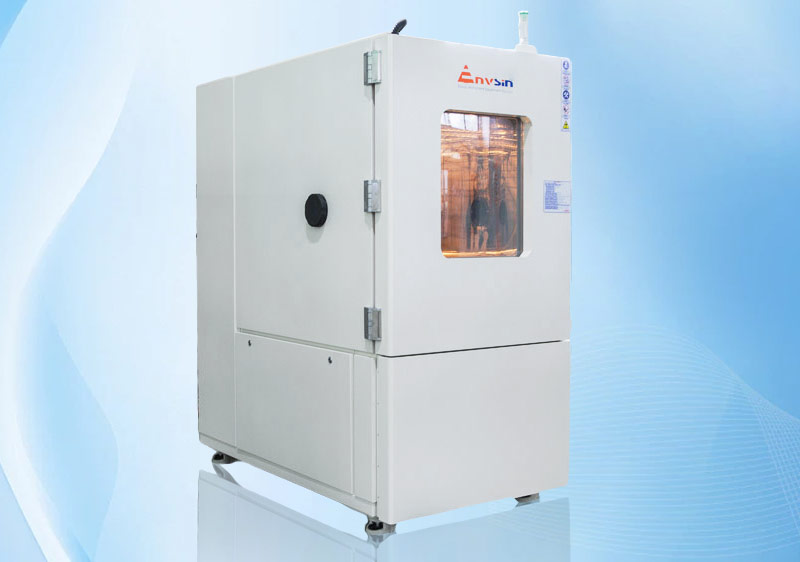
1. What Is Thermal Shock Testing?
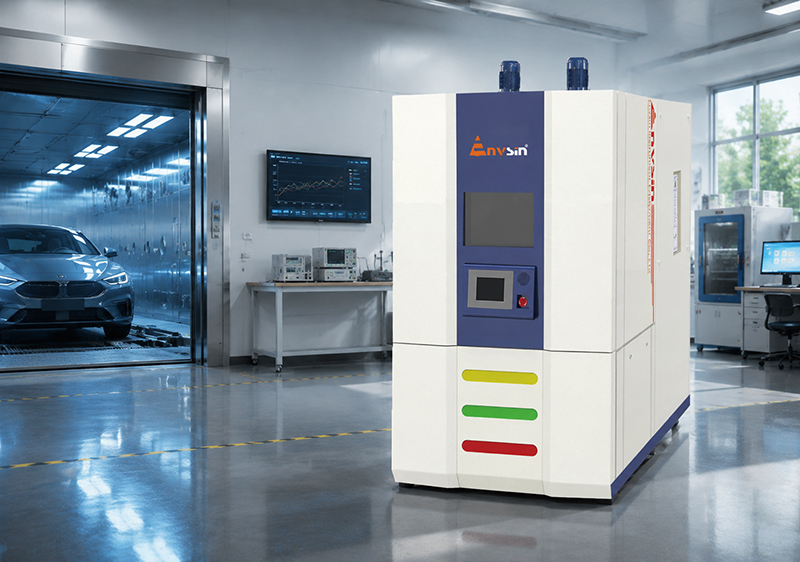
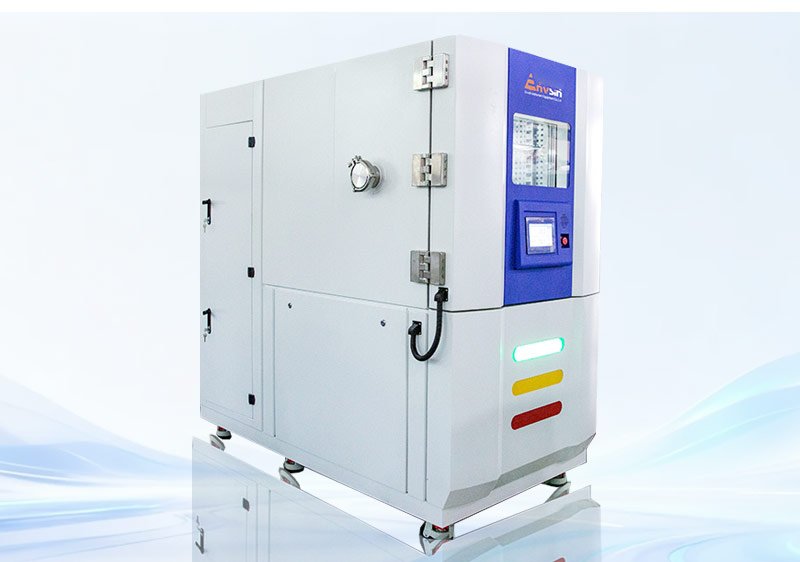
Thermal shock testing exposes a product to sudden, extreme temperature changes — typically moving between two chambers (hot to cold) within seconds. This method replicates scenarios like a device transitioning from a heated indoor space to freezing outdoor air. It stresses materials’ ability to withstand rapid thermal expansion and contraction. A dedicated thermal shock test chamber uses two or three zones to achieve change rates exceeding 30°C per minute. Common failure modes detected: delamination, crack propagation, and seal rupture.
2. What Is Temperature Cycling?
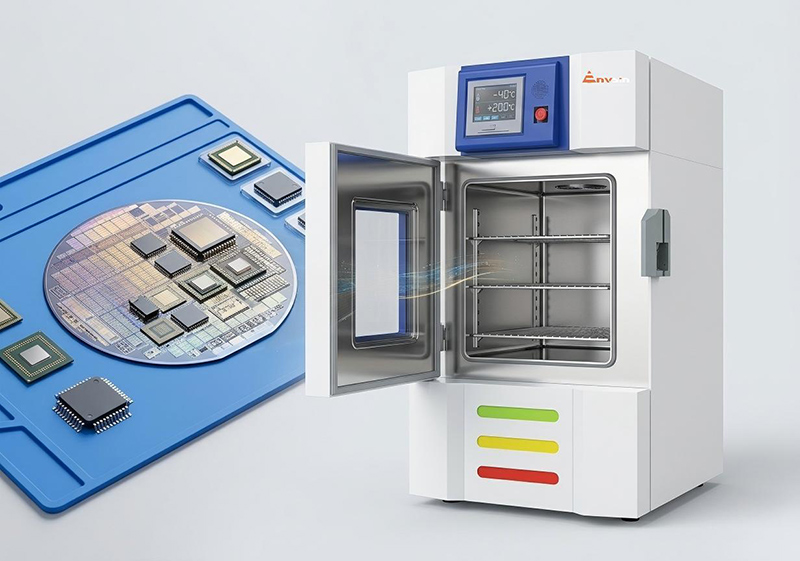
Temperature cycling, in contrast, changes the temperature gradually inside a single temperature cycling test chamber. Ramp rates are slower (2–15°C per minute), simulating daily or seasonal thermal loads. This test identifies fatigue failures from repeated, moderate expansion cycles — common in LED modules, battery packs, and PCB assemblies. Unlike thermal shock, temperature cycling applies controlled dwell times and allows humidity combination.
3. Key Differences at a Glance
Thermal Shock Testing
· Transfer time: <10 sec
· 2-zone or 3-zone chamber
· Failure: cracking, sealing failure
· IEC 60068-2-14
Temperature Cycling
· Ramp rate: 2-15°C/min
· Single programmable chamber
· Failure: fatigue, solder joint crack
· IEC 60068-2-38 / JESD22-A104
4. Which One Does Your Product Need?
Choose thermal shock testing if your product experiences sudden temperature transients (e.g., outdoor telecom boxes, engine sensors, military electronics). Choose temperature cycling for products under gradual diurnal or HVAC-induced changes (e.g., consumer electronics, medical devices, EV battery modules). For most high-reliability industries, both tests are complementary — not interchangeable. A premium test chamber from Envsin can be configured for either method, but double-check the required stress profile.
5. Common Mistakes to Avoid When Selecting a Test Chamber
Using a temperature cycling chamber for shock tests — this destroys slower actuator systems and invalidates results.
Ignoring thermal load: Your product’s mass and heat dissipation directly affect recovery time. Envsin provides thermal simulation support to match chamber size.
Overlooking recovery time: Shock chambers must return to setpoint within 5 minutes; always verify this spec before buying any environmental test chamber.
Not checking fixture material — improper grips can absorb energy and mask failures.
Conclusion & Get Expert Advice
Understanding thermal shock versus temperature cycling protects your test budget and product lifecycle. As an experienced Envsin provider, we offer customizable thermal shock test chambers and temperature cycling chambers with data logging, remote monitoring, and compliance to ASTM, IEC, and MIL standards. Contact our engineers for a free test method consultation or to request a chamber specification sheet.