





Many manufacturers invest heavily in temperature humidity cycling tests only to discover product failures in the field months later. Poor test design, inadequate equipment, or improper execution often renders these critical reliability assessments useless. When done correctly, temperature humidity cycling tests expose hidden weaknesses like material fatigue, corrosion, and electrical shorts before products reach customers, saving millions in warranty claims and brand damage.
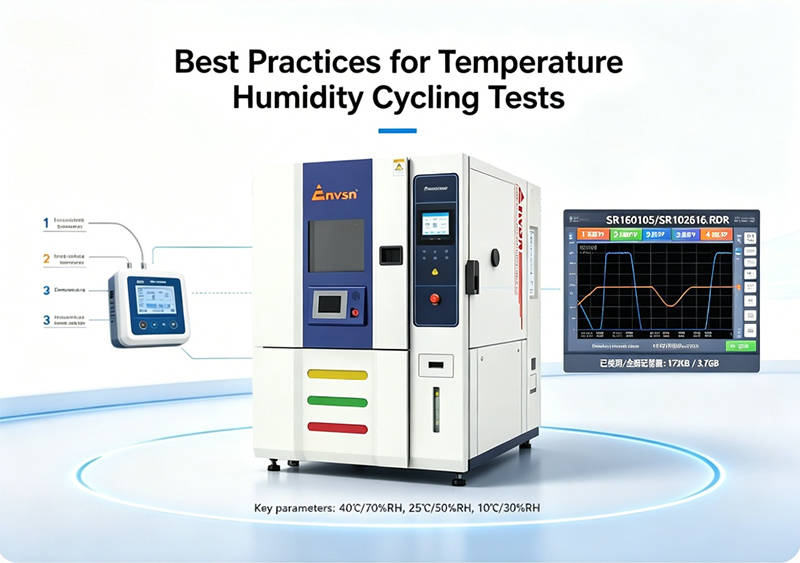
Start by aligning test parameters with industry standards such as IEC 60068-2-30 and MIL-STD-810. Avoid generic profiles; tailor temperature ranges, humidity levels, and ramp rates to match your product’s actual operating and storage conditions.
Properly designed cycles include controlled transitions to induce natural condensation, the primary cause of many electronic failures.
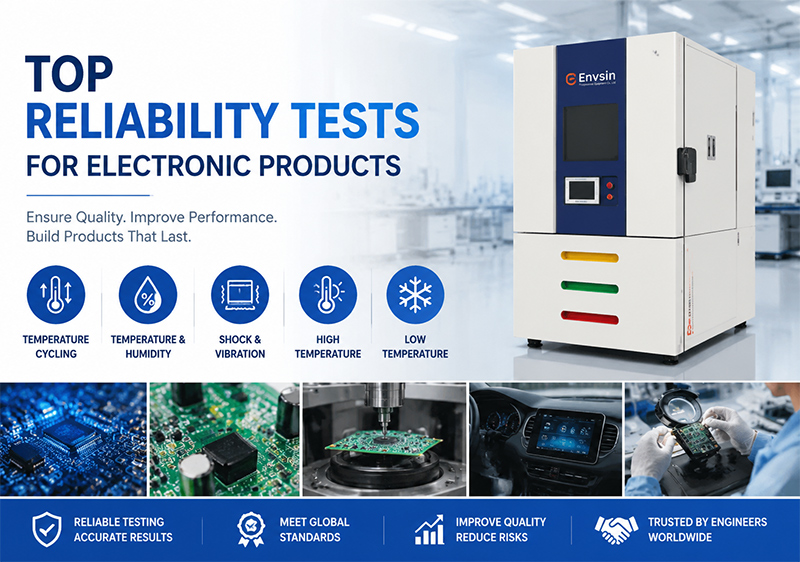
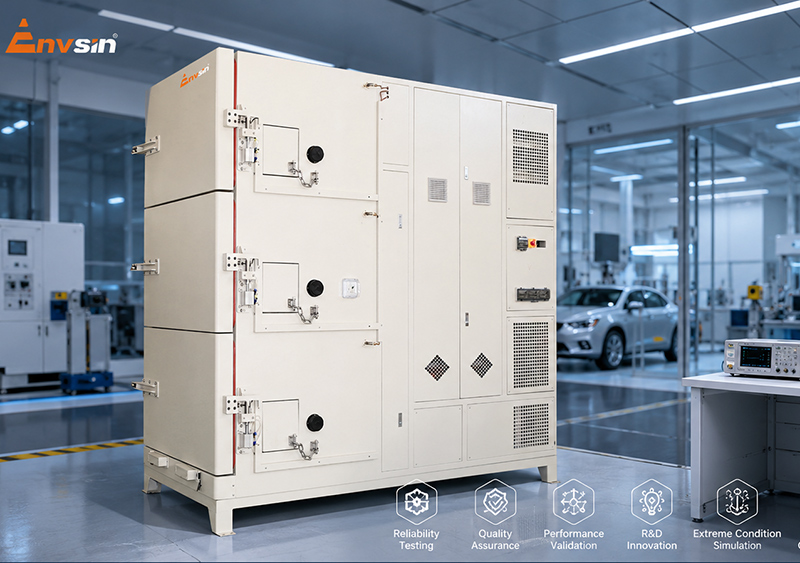
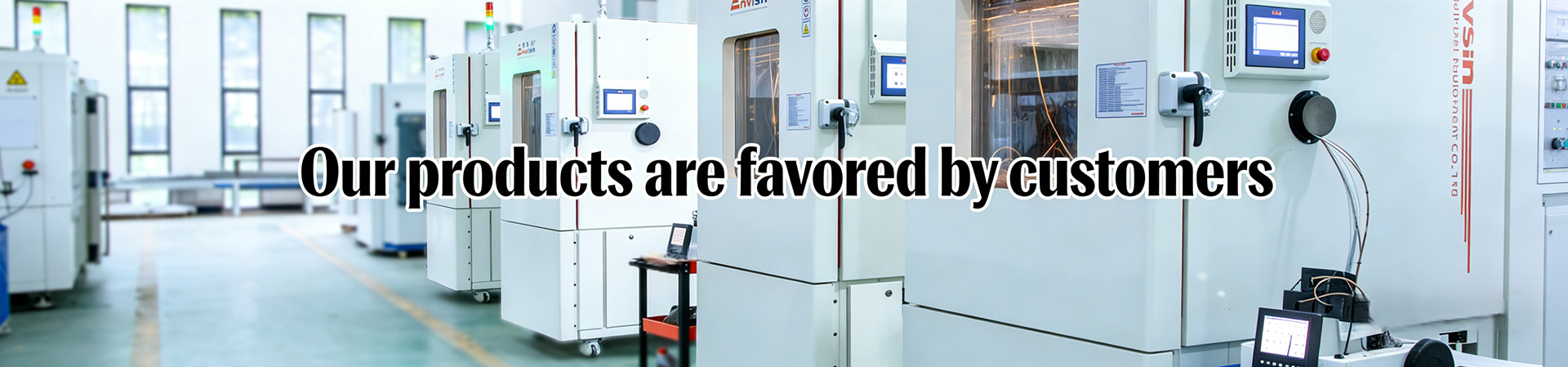
Equipment selection is paramount for accurate results. Choose a temperature humidity chamber with uniform temperature distribution (±2°C) and precise humidity control (±3% RH). Envsin offers high-performance temperature humidity chambers with advanced anti-condensation systems and real-time data logging, ensuring consistent conditions throughout every cycle. Regular sensor calibration prevents measurement drift that can invalidate results.
Proper sample preparation and placement significantly impact test repeatability. Condition samples at standard ambient conditions for 24 hours before testing, and arrange them to allow unobstructed airflow. Avoid overcrowding the chamber, as this creates hotspots and uneven humidity exposure.
By following these best practices, you transform environmental testing from a compliance checkbox into a powerful quality assurance tool. Envsin’s reliable environmental test chambers help manufacturers worldwide deliver products that withstand the harshest real-world conditions.